Black communities paved the way for Asian-American communities. Here’s how Asian-Americans can support #BlackLivesMatter

By Ishani Doshi

I want to share these resources for other Asian Americans to help understand how importantly Allyship is for People of Color. If your family immigrated after 1965, you are here because of the Civil Rights Movement and the passing of the 1965 Immigration and Nationality Act. Asian American communities exist because Black communities in America paved the way for us, and made it possible for us to seek a better life for our families. We need to do our part both within our own communities and externally to ensure we are part of the solution and not the problem of racial injustice.

Continue reading

Want to support the KC Black community with your money, time, and action? Here’s where to start.

By Catcall Staff

Erin Zimmerman, president of Kansas City Women in Film and Television, started this growing, Anti-Racism Resources document to help Kansas Citians get connected and supportive of our Black community. This is a growing doc, open for contributions.

Anti-Racism Resources

* This is NOT a fully comprehensive list, it’s a START. A community-collected resource. If you have a resource you would like added, a correction or update, please fill out this Google Form. Thank you!

** THANK YOU to the humans who have paved the way for us to DO THE WORK—especially Black Folx! We see you. We hear you. We are here to do the ongoing work.

This is meant to continue on as a living, breathing resource, to do the work so that we can keep black humans living and breathing! It’s a resource meant to add to, update and reference over time, so that we, as white people, can do our part to dismantle racism and the systems that oppress, brutalize and murder black people. Performative, optical allyship is just NOT acceptable!

Continue reading

How to support justice for George Floyd now

By Kelcie McKenney

On May 25, George Floyd was killed by Minneapolis police officer Derek Chauvin. With Chauvin’s knee pressed into the back of Floyd’s neck, Floyd said, “Please, I can’t breathe.”

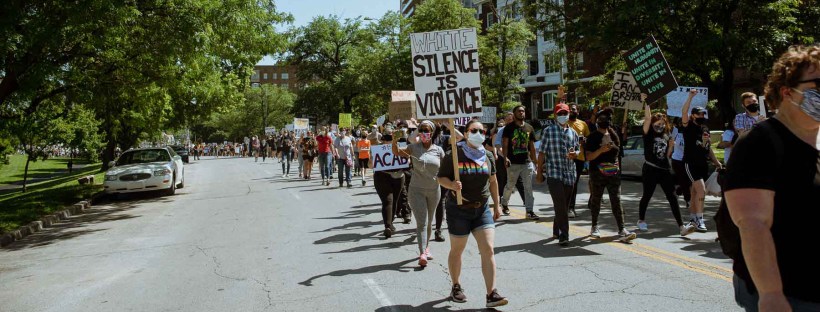
Protests continue in Minneapolis and nationwide. (Stay up-to-date from CNN.) Whether you are located in Minneapolis or not, there are ways to support justice for George Floyd. Attend a local protest happening in your community. If you don’t feel safe attending, offer to provide rides for friends or help deliver supplies—such as snacks, water, or gallons of milk for protesters in Minneapolis facing police tear-gassing. Speak up when you see injustices take place. Start a dialogue at home and online with friends and family about why we are outraged and why it’s our responsibility to support the Black community now.

Continue reading

Black Healthcare Coalition and Humana partner to bring healthcare access into the KC community in unlikely places

By Emily Park

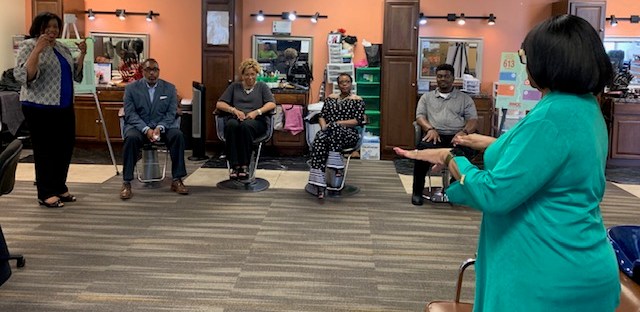
When Janice Willis first opened her beauty salon in south Kansas City over 25 years ago, she couldn’t afford health insurance. Eventually, she found a plan she could afford. But even then, Willis says she was scared to go to the doctor because she still had to pay so much out of pocket.

Today, Willis is on a better insurance plan with her now-husband, but she remembers all too well what it was like not having access to affordable healthcare. And healthcare — or rather lack of access to it — is a topic that comes up frequently as Willis gets to know her salon clients.

“When you’re not married and you’re self-employed or you’re just not able to afford [healthcare], you’re just trying to make ends meet,” Willis says. “Believe this, people want to go get checked out but they just don’t have the money to do it.”

Continue reading

The Economics Of Appropriating Black Culture

By Esther Faciane
Originally Published on the I Am Woman Project

Photo by Joanna Nix

Pop culture is no stranger to the words “cultural appropriation”. Over the past few years, celebrities, fashion brands, and artists have been rightfully called out for their appropriating offenses. For example, when a non-Black person wears a du rag or wears cornrows for fashion purposes, it is seen as ignorant appropriation: if that person were really aware of the history behind cornrows, they would not have considered them fashion in the first place.

Continue reading