How The Kink Educator began her path to sex education

Bad Ass Babe Emerson Karsh

By Nicole Mitchell

Emerson Karsh (she/her) is a sex and kink educator and creator of the Instagram account @thekinkeducator. She often shares information on the world of kink on her Instagram account, such as aftercare conversations that need to be had or discussing sexual stereotypes. She’s also written a few articles for Rachel Wright, an online sexual health blog, including Your Guide to Ghosting: Why it Happens & How to Recover and 12 Important Facts About Orgasms That Are All Based In Science. Sex is all about feeling comfortable and connected, as well as having fun. Today, Karsh talks about how she got started in sex education and where she’s planning on going next.

Tell me about your background. What did you do before you taught sex education? 

Before I became a sex and kink educator I was actually in sexual assault prevention and education actually! I would present to fraternities, sororities, and other college organizations on topics surrounding sexual assault prevention like consent 101, bystander intervention, alcohol and consent, and healthy relationships. I loved this work but as a survivor myself, it was draining. At this time I also realized I wanted to put my personal love for kink and my sexual assault prevention education background together as one of my assaults occurred within a D/s dynamic I was in when I was young and didn’t have the right tools to understand the importance of vetting, safewords, negotiation, and aftercare. I have also worked as a personal assistant in a few different fields to make money.

Continue reading
I am a coward.

By Lauren Conaway

I am a coward.

When the doctor told me I was pregnant, I was dumbfounded. The room was cold. I was vulnerable in my little robe, and his words echoed for what seemed like hours.

How could this be? I was on the pill. Every month, I called Planned Parenthood. I made sure to pick up that prescription, and I took that tiny, politicized pill religiously. 4:00 p.m. on the dot, every day. I later came to find out that I’m what’s called a “fast metabolizer,” a concept I didn’t even know existed until it was too late.

I was almost two months along. I was almost 20 years old.

My periods had always been a bit irregular so the first tip-off was the constant vomiting. I was so, so sick. From the moment I woke up to the moment I put my exhausted head on the pillow, I felt like an absolute trainwreck. Unable to keep food or even water down, I lost almost 20 pounds over the course of a month. Later, as I watched Kate Middleton grapple with hyperemesis gravidarum during her first pregnancy, I felt a pang of recognition. Is that what I was experiencing so many years ago? I’ll probably never know.

At the time, I was 3 months past a PTSD-fueled nervous breakdown and the subsequent ending of my brief and dramatic college career.

Continue reading

Trauma Bonded: How writing a show about my assault helped me heal.

By Chloe Burns

“You need to address this now,” my therapist told me at a regular appointment in December of 2019, her tone more stern than I’d heard her before. “The longer you wait, the harder it will be to correct.” 

She was referring to my laundry list of trauma symptoms—a collection of hyper-vigilance, chronic insomnia, disorganization, nightmares, panic attacks, and dissociation—I had been dismissing for years until I experienced an assault at work in October of 2019  and those symptoms came crashing back. I was then unemployed, living off of my dwindling savings, and spending my days alternating between crying and watching TV with my eyes unfocused. I hadn’t been in Los Angeles for a full year, and already, I was at an impasse.

In June of 2019, I moved to LA to pursue acting and filmmaking, and the business of my life had helped me manage my existing trauma symptoms so far. Running between background acting jobs on television sets and acting classes to my various jobs left me happily exhausted at the end of the day, my mind distracted from the anxieties and hyper-vigilance that tormented me in the quiet. 

But when I was violated at work that fall, my systems shut down completely, and I could no longer lean on my lifestyle for distraction. My ability to sleep was destroyed. My body felt so numb that I frequently mistook my own heartbeat for the earthquake tremors I had experienced since moving to the coast. Anxiety flooded my veins so ferociously that I was exhausted before my day even began. Yet, rest was out of the question. Unexpected noises caused me to lurch out of my seat,  but my limbs felt so heavy I doubted my ability to defend myself against even the slightest threat. I was somehow moving one hundred miles an hour while stuck completely still. Every day that passed meant more of my savings vanished, and by the time COVID sent the nation into their homes, I knew something needed to give.

Continue reading

Babe Monthly: What’s happening in Texas and what we can do about it

By Emily Park

At Catcall, we’re all about turning catcalling on its head and calling out the patriarchy with stories that inspire the shes, theys, and gays and highlight the work that needs to be done to dismantle systemic inequalities. 

We put together Babe Monthly to highlight the major headlines, stories, and stats—good and bad—in feminist news that have surfaced over the last month. The mission of this monthly column is to highlight the challenges we face in the fight for women’s, LGBTQIA+, and BIPOC rights, while uplifting and empowering our readers with the work that’s being done—and the amazing people who are doing that work. 

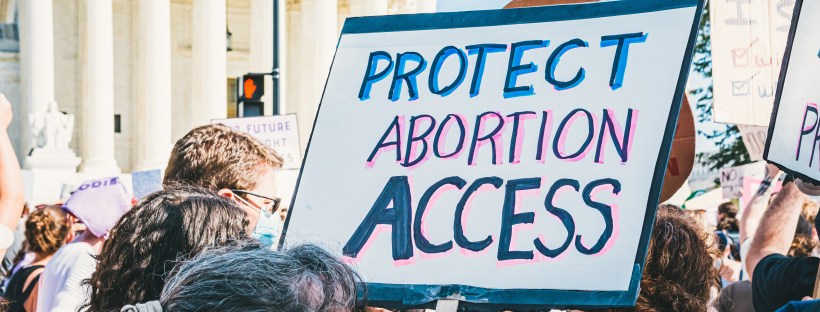
These last couple of weeks have been some of the most challenging weeks in the reproductive rights movement we have experienced in a long time. While we usually spend a couple of hours scouring headlines for the best feminist news that has come up in the last month, it’s hard to focus on anything but the abortion ban that went into effect in Texas on Sept. 1.

Banning abortions from taking place around six weeks after conception—before many individuals even know they are pregnant—the Texas law doesn’t include any exemptions for cases of rape or incest. The law is the strictest abortion ban to go into effect in the United States.

Continue reading

New National SASH Club Program Empowers Youth to Confront Sexual Harassment and Assault

By Nicole Mitchell

When I was in high school, I was sexually harassed. This boy, a year older than me, would follow me around school daily, which made me uncomfortable. One time I even remember him pretending to drop something so he could look up my skirt. Actually, I wasn’t the only person he did that to. There were plenty of other young high school girls going through the same thing because of this person. At the time, there was nothing I could do about it. I was confused and had nowhere to go.

This has to change, and thankfully, there are programs being put in place that will help young people understand what sexual harassment really is and take a stand against it today. Stop Sexual Assault in Schools has created and launched its new initiative SASH Club to empower youth ages 13+ to take action against sexual harassment and assault.

SASH Club provides a set of free online, ready-to-use tools on their website for teens of all genders, races, ethnicities, and orientations to start the discussion and educate themselves and others about sexual harassment and assault, support survivors, and make real change in their schools and communities.

Continue reading