Defining What it Means to be Trans: From Fear to Myself

By Shelby Faulkner
Art by Maddy Best

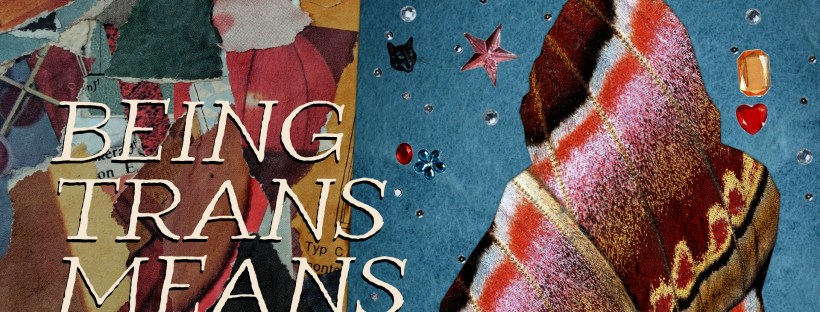
The definition of the word transgender has changed many times throughout my life. The Merriam-Webster Dictionary defines “transgender” as a person whose gender identity is opposite to the sex identified at birth. But that’s not what it means to be trans—not really. Sometimes it means fear, self-hatred, and so many other unpleasant feelings. Sometimes it means learning that on the other side of anxiety and fear, you often find love and joy.

Although I didn’t have words for it at the time, I first started to realize I was trans around the 6th grade. Growing up in a small town I didn’t have a lot of exposure to queer people. In my town the word “gay” was used as an insult rather than an adjective—and in elementary school, kids used to ask if anyone wanted to play “smear the queer” as a recess game. Occasionally, the word “he-she” would get thrown around too. On Sundays, we would go to church, and sometimes they would preach about how homosexuals would burn in eternal hellfire because they were living in sin. Being trans means learning to hide.

Continue reading

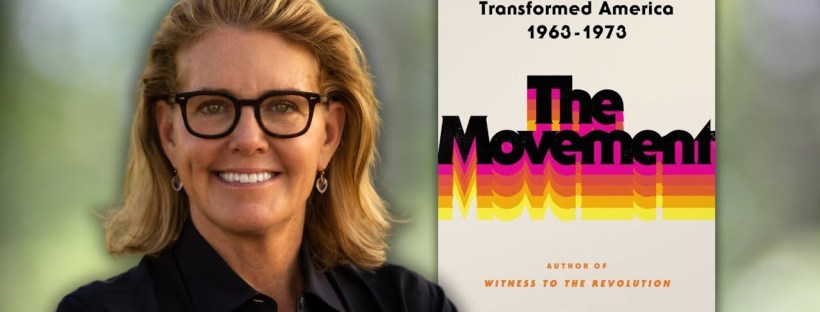
What was second-wave feminism really like? Explore the era with feminist author Clara Bringham during her live talk on March 20

By Emily Laptad

The 1960s and 70s marked a significant era of progress for women in the United States. The Equal Pay Act of 1963 was the first nationwide legislation for eliminating wage disparities based on sex. The Civil Rights Act of 1964 prohibited employment discrimination based on race, color, religion, sex, or national origin. The Women’s Educational Equity Act of 1972 guaranteed equal access to education for women and girls. Roe v. Wade legalized abortion across the US in 1973. The Equal Opportunity Credit Act of 1974 enabled women to open bank accounts and apply for credit cards with their own names. And other court cases and legislation further expanded women’s rights to employment, education, financial independence, and reproductive health during this time too. 

Continue reading
Good Grief

Good Grief

Mourning and moving on after cutting off an abusive parent.

By Ashley Carey
Art by Maddy Best

CW: Mention of domestic abuse by a parent and childhood trauma.

This is for every person whose parent(s) did not love them in a way a parent is supposed to. For those of you who had a “parent” who was a charming narcissist or abuser or just plain toxic, I see you. And you deserve a life filled only with the people who can appreciate all that you are.

It’s a deeply strange experience to grieve the living. Much like any other form of grief, it’s also quite lonely, though in a profoundly different way.

So much has been written and understood about grieving those we’ve loved and lost. It’s certainly not an easy thing to do, which is why I believe so many people avoid grieving once the funeral dies down (woof that pun was terrible. I’m kind of a walking dad joke despite not having a dad. SICK BURN, DAD).

Grieving someone who is alive is super weird, and mercifully is something many people don’t seem to understand.

Continue reading

Things are getting hotter in Kansas City with VAMP KC

By Nicole Mitchell
Photos by Travis Young

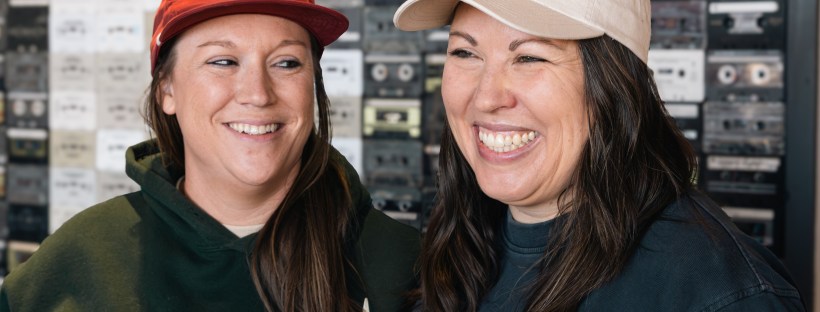
Kansas City’s newest LGBTQIA+-owned burlesque group VAMP KC welcomes you to its all-inclusive classes and performances.

Penelope Mais Oui isn’t from Kansas City, but since moving here from Colorado Springs, she’s been creating noise in the burlesque and LGBTQIA+ scenes. Before moving to the city, Penelope produced a series of classic and classic-inspired burlesque shoes at a locally-owned Colorado Springs art theatre.

“I spent the pandemic not working on a stage,” Penelope says about moving to KC. “When I decided to dip my toes into the burlesque waters again…,” which was first as part of a local troupe, “I found there was a space, a desire, even a need in Kansas City for classic-style burlesque.” By using her previous experience, Penelope knew just what Kansas City was missing. “I already had a vision of what that could look like,” she says.

Continue reading

Marcia Biederman’s Newest True Crime Book Shows Why Outlawing Abortion Doesn’t Work

By Sophia-Joelle McDowell
Art by Maddy Best

Former journalist Marcia Biederman, has a knack for finding stories that need to be told. As a former journalist whose work has appeared in the New York Times, the New York Daily News, Crain’s New York Business, and New York magazine, Biederman has three mystery novels under her belt and a story in the anthology Sisters in Crime 3

Marcia considers herself a reformed fiction writer, but in recentrecent years, she’s returned to her journalism roots and written four non-fiction, woman-centric books about people whose stories should be better known. Her new book The Disquieting Death of Emma Gill: Abortion, Death, and Concealment in Victorian New England is no exception.

Continue reading