
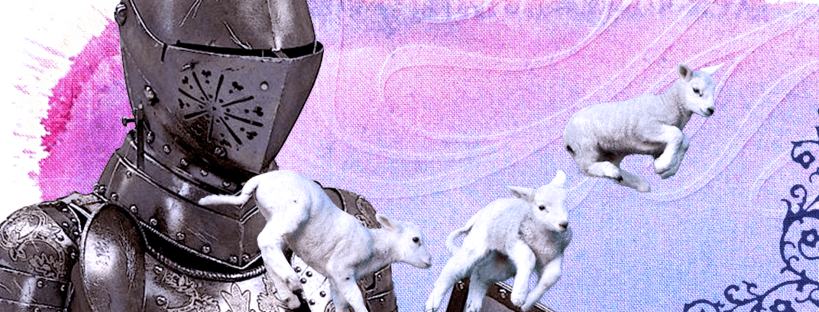
By Max Sheffield
Art by Maddy Best
In 2018, I started exploring my transgender identity and becoming more comfortable claiming my genderfluidity. I thought the hardest part would be coming out to my loved ones as genderfluid. Now, almost 8 years later, I couldn’t have predicted the ways being trans helped me find my community and forced me into choices I never expected to make.
Renegotiating Visibility in the Spheres of Public Life
I first came out in specific spheres of my life, choosing carefully the circles and spaces I knew would welcome me. It started in 2018, but culminated with my legal name change in 2021. This felt like the most important assertion to visibility as a non-binary person; more so than hormones. It was standing in who I am and knowing that I could never go back to being “Crystal” again.
Even after that, the name-change process has been a labyrinth of finding more places that know me by my birth name, with a completely different set of rules and regulations for updating my name with the respective organizations.
Being transgender before and after becoming a parent were two different experiences, and added another layer of complexity. It was complicated finding a parent community that would affirm my gender, and gave me another fear: my kid becoming a target because of me.
Looming Legislation & the Sword of Damocles Over Our Community
Every year, a new legislative session dawns, and the transgender community (and our allies) hold our breath to see what onslaughts on our basic dignity and rights are coming. Trans folks in Kansas are reeling from the recent legislation that revokes our access to an identity that reflects our full selves. It’s been hard to feel that visibility is something to celebrate, rather than a careful navigation and negotiation to survive.
Where laws strip us of our ability to exist in public, the mindsets of the people in these states also shift. I wore a “Trans Kids Belong” shirt while walking my son to a local park, and within 30 minutes of stepping outside my door, I received harassment from bigots driving by in their truck. I had never considered before that in my blue suburb, folks were lurking who considered people like me a threat to children. I had to keep my racing heart in check so my son could play, but it made me wonder: Would my visibility not just be a threat to my safety, but to his as well?
We’re Not the Acceptable Sacrifices Politicians Paint Us to Be
The LGBTQ+ community as a whole has made amazing strides over the decades, and transgender women of color have been at the forefront since the beginning. But paradoxically, trans rights and the issues we specifically face have been up for grabs or easily sacrificed when it seems politically inconvenient.
Mainstream democratic candidates like Kamala Harris and Gavin Newsom have been upfront that, given our small share of the population, we wouldn’t be defended or, worse, our community would be abandoned if deemed convenient. Our visibility didn’t seem to matter to them if it wasn’t enough to secure elections single-handedly.
Those candidates’ failures sparked a glimmer of hope I desperately needed. Not because of their actions, but the sudden rebuke from so many cisgender people online. Trans people and our allies did not tell our stories, advocate, and show up in legislatures across the country to fight legislation just to hold up our hands and give up. If enough people loudly declare that our lives and safety are non-negotiable, those seeking office will have to understand that this is not about which group has the numbers to carry them into an election, but rather if they consider human rights to be a bargaining chip.
How Allies Can Help Keep Us Safe and Visible
We need to face the reality that for some transgender children and adults, our best decision is to leave our homes and find safety in a sanctuary state or out of the United States completely. Even blue states, such as Minnesota, have institutions that are deciding to shutter their gender-affirming care services to avoid funding backlash. Supporting those trans people and their families who are trying to relocate to safer states and countries can be life-saving. Here in the KC metro area, we have the LGBTQ Foundation of Kansas, the Trans Women of Color Collective, and Rainbow Railroad. For more resources, check our resource guide.
Coming out is not a one-time thing for queer people, and we often have to be cautious about who’s aware of our identity to prevent backlash. Trans people experience consequences, like being fired or physically harassed. For me, my son’s school is unaware of my identity for my son’s and my safety. States like Texas and Florida have stated that affirming your transgender kids or existing as a a trangender parent can be considered child abuse, and the Midwest often likes to follow suit.
One way to keep us safe so we can stay visible in our community is by not outing your friends and loved ones unless giving explicit permission. In this scary new landscape, we may be targeted in ways we can’t fully imagine yet. In real-life interactions, transgender people often prefer to go “stealth,” meaning they either choose to be referred to as their assigned sex at birth or, if they’ve undergone medical transition, let folks perceive them as their true/new gender.
If you’re unsure, it’s best to check in with them. I feel affirmed when folks correct others on my pronouns, but in places where I’m dealing with institutions like the DMV, at a medical clinic, or at school, I’ve chosen to be stealth to not be a target. Every trans person has to navigate that and make those choices for themselves, so help them by supporting their decisions and ensuring you’re not outing them without their permission.
Online advocacy may not be enough, but it’s a start, and a welcome break from the doomscrolling that’s become routine in this chapter of our fascist landscape. Moving beyond the helplessness they want us to feel is essential. Sharing upcoming legislators to call, demonstrations, and trans-led organizations who need resources focuses our energy into action.
I follow a lot of fellow transgender writers and authors, but despite the mainstream popularity of certain franchises with LGBTQ+ characters (like Heated Rivalry), individual creators are being told by institutions that their stories are too risky to be shared right now, that there’s not enough money or resources for them. When cisgender people buy and share media that center our transgender and non-binary experiences, it tells the cultural gatekeepers that our stories deserve to be told and that they’re for everyone and not a niche or box to check in June.
Staying Visible
I’m never going to regret coming out and becoming the truest version of myself. Even when the government wants to pretend I don’t exist and bigots are cheering on the stripping of our rights, I’ll still be here. Trans people have existed since the beginning of history, and we will always exist. This Transgender Day of Visibility, I ask my cisgender friends and community to find ways you can keep us safe so we can continue to be visible in the years to come.
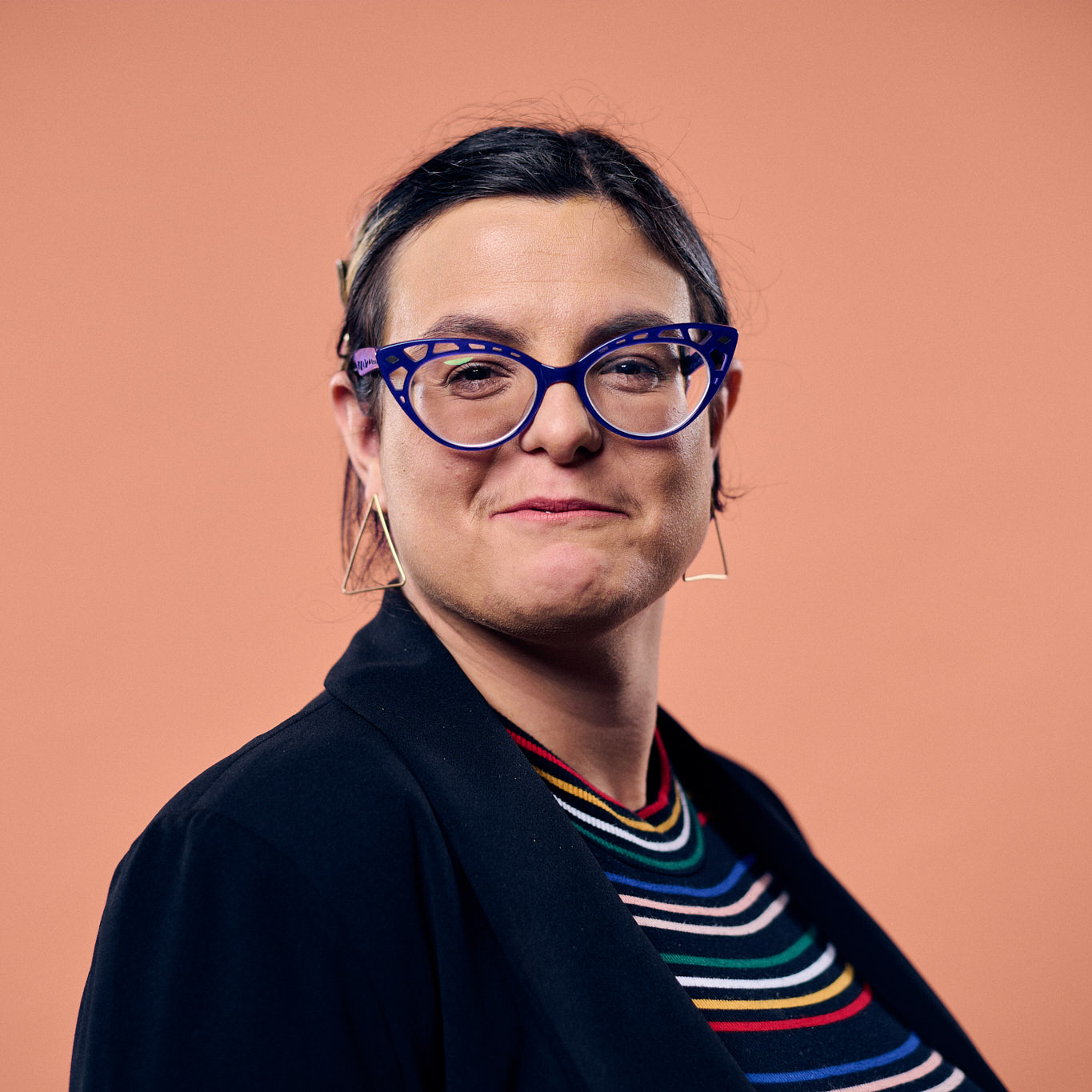
Max Sheffield (they/he) is a non-binary, neurodivergent, wildly passionate, trauma survivor. They live in Overland Park with their 4-year-old son. They write, speak, teach, and consume content voraciously. Max has collaborated with various community organizations, including InnovateHER KC, Metro Organization for Racial and Economic Equity (MORE2), Newhouse KC, and the Kansas City Beacon. His favorite romance trope is “Enemies to Lovers” and he’s tapping into their inner teenager and relearning to roller skate.
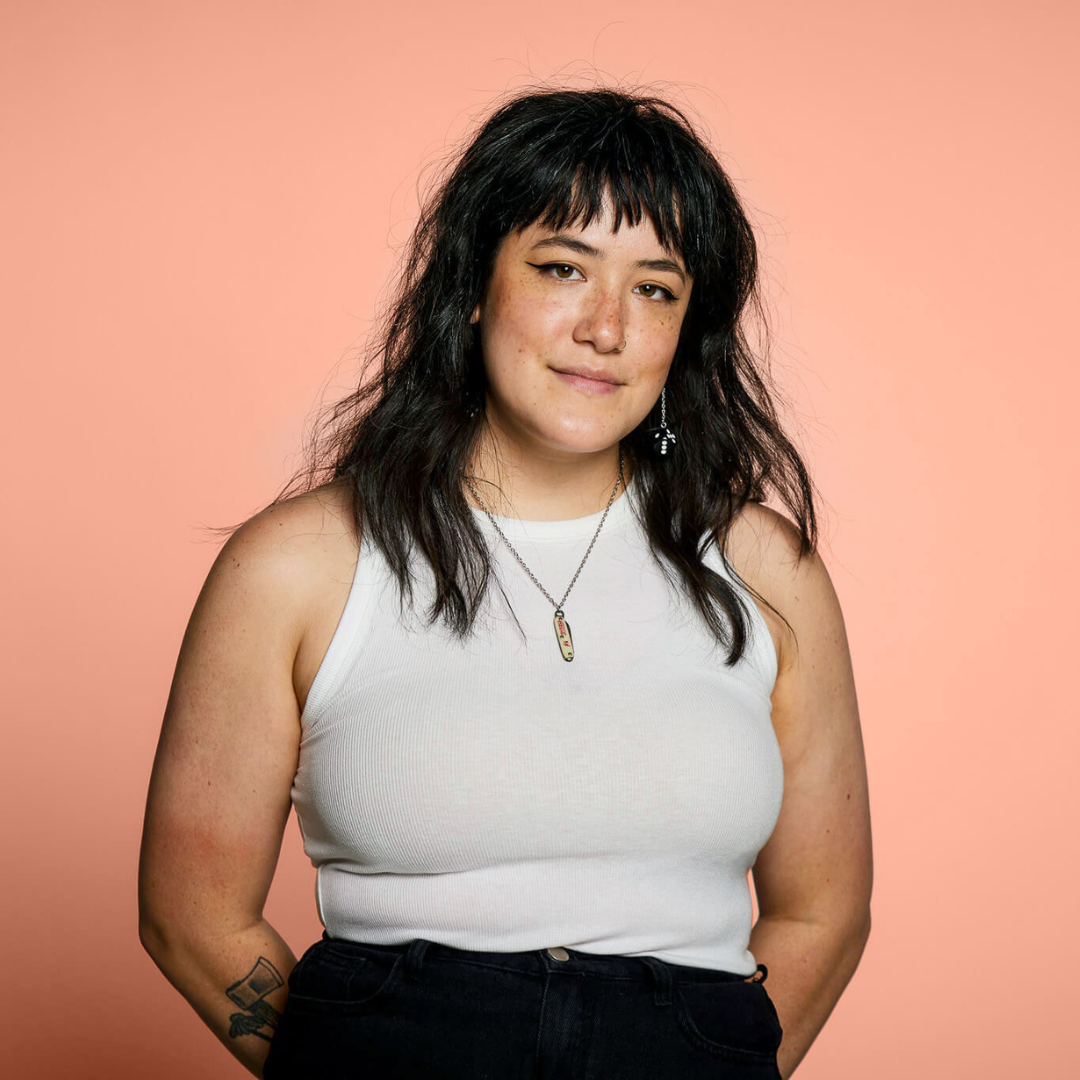
Maddy Best (she/her) is a first-generation Vietnamese American designer. Raised in rural Missouri, she spent five years in KC before making the move to St. Louis. As a freelancer, she uses her multidisciplinary design expertise to help people, brands, and organizations bring experiences to life. Her passion is using design to answer questions and solve problems for all people – regardless of their gender, race, status, or abilities. When she’s not designing websites or brand identities, you can find Maddy cooking, listening to the same emo playlist on repeat, watching bad sci-fi films, and playing video games.
 Catcall