
By Whitney Young
Since the 2024 election results came in, we’ve been living in a grave, new political reality for the past 14 months. Instead of grieving the loss, we activated, and our activations took different forms. Some of us started gathering resource lists for our community, while others, like Boots on the Ground, began organizing.
Boots on the Ground started with the nonprofits that needed the most assistance after the new administration took office in 2025. From there, it grew into a multifaceted community action plan: sharing information and current events over Substack and social media; community-building programs such as Workshop Wednesdays; and engaging the Midwest to show up at local and statewide protests and rallies—a little something for everyone to get involved at their own pace.
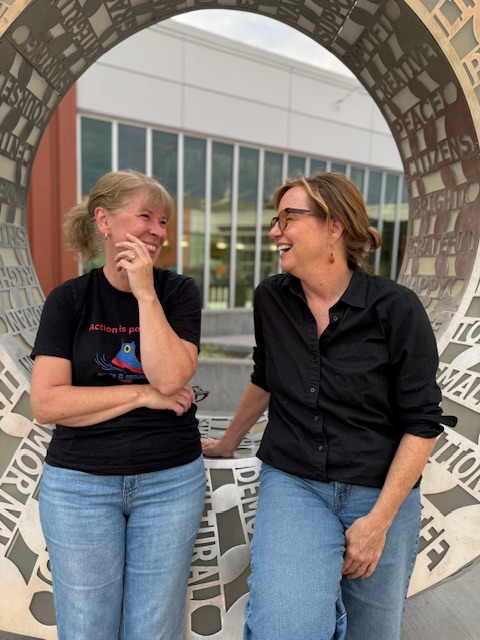
We reached out to Boots on the Ground co-founders, Nancy Mays and Martha Lawrence, to learn more about their mission and to gather a few pieces of advice regarding the political environment we find ourselves in for the foreseeable future.
Catcall: Many people might think activism only matters if you are on a coast or in a swing state. Tell us what outsiders most misunderstand about organizing locally in the Midwest.
Nancy and Martha: It’s true that people equate activism with the coasts or heavily blue areas. But we’re here—and we’re getting Midwesterners organized! The rest of the country might be surprised by the Midwest’s activist roots. Kansas was the original Free State, leading national movements like abolitionism and Brown vs. Board of Education. Take the Vote No initiative in 2022, where Kansas became the first state to maintain abortion rights in a post-Roe world. Pundits were shocked. Kansas? The Midwest? But WE weren’t surprised. It was government overreach, and people saw that. And Kansas was one of the only states so far to push back on illegal mid-decade redistricting.
The Midwest is traditionally a politically mixed area. That’s what makes it harder to motivate activism—we’re not just talking to progressives—but it’s also what makes it so necessary and rewarding. There’s an appreciation for pragmatism that extends beyond party politics. As Midwestern activists, we need to find those values we share and organize around them.
Speaking of the Midwest, culturally, we are viewed as polite. Explain what political disruption looks like and how tapping into that culture is necessary to create waves.
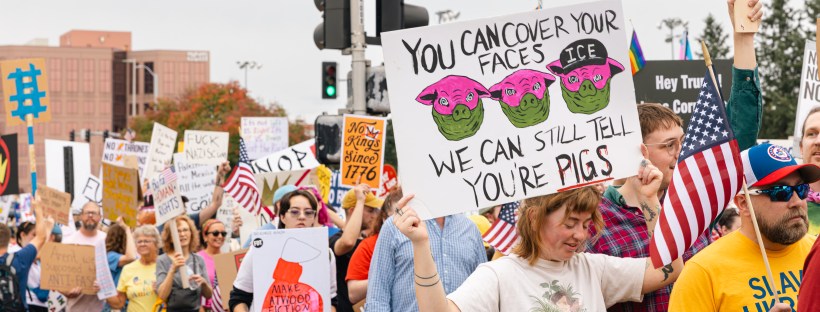
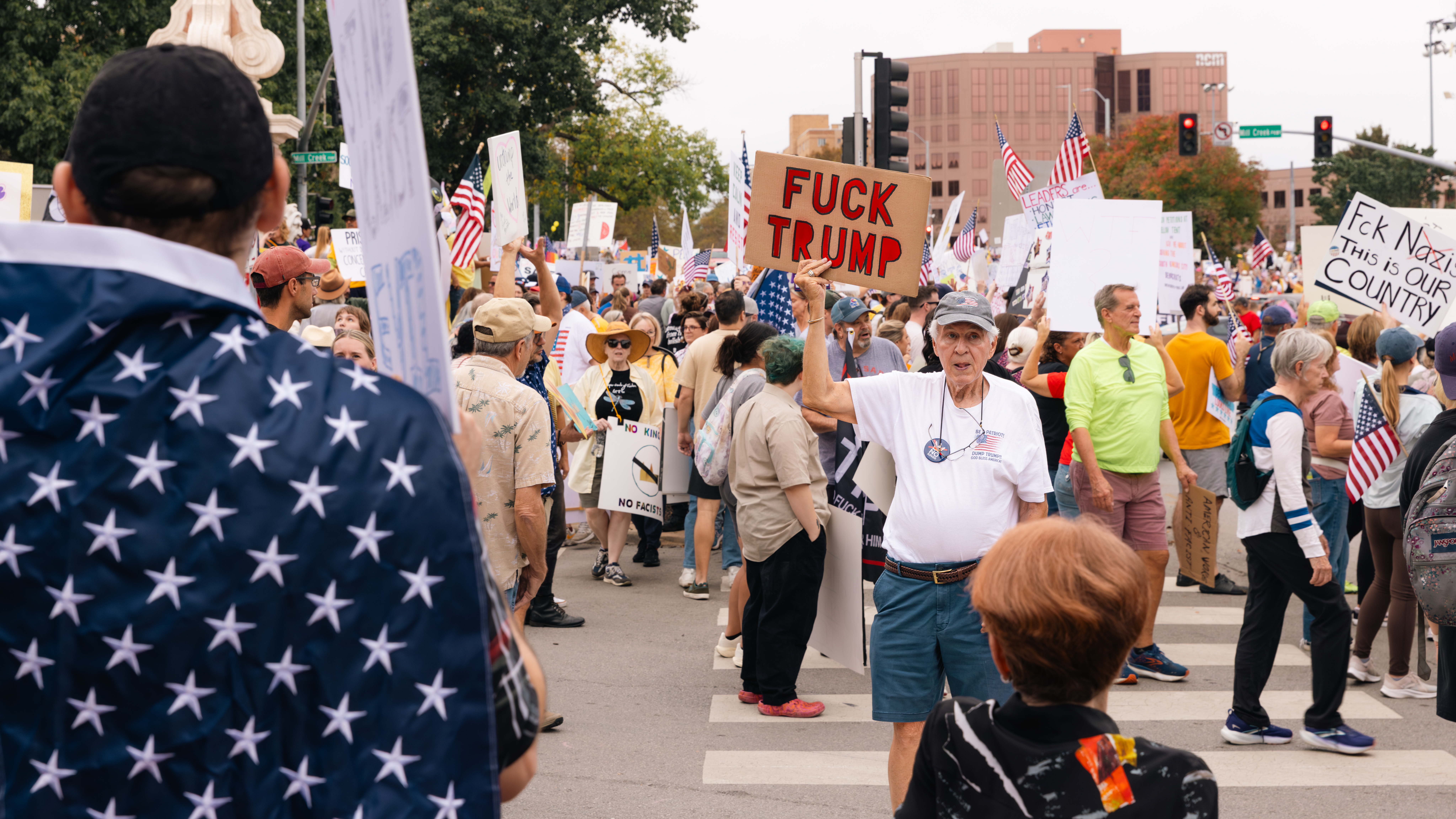
Ugh. We are too polite sometimes. BUT we are aware that we need to get more comfortable making other (white, privileged) people uncomfortable. Disruption can be small—like calling someone out on their privilege or racism. We need more of that. You can do it politely, but we need to do it, whether it’s a family member, a candidate, or your own party. Disruption can be quiet—like educating people about their rights in case of an ICE raid. Disruption can also be loud—like standing on Metcalf every Saturday (which we do) and chanting and dancing. It’s really about showing up consistently—and staying ready for a bigger move, if it’s needed.
Midwestern communities aren’t monolithic. There are varied identities, histories, and inequities that need to be recognized. How do you make sure your organizing reflects that complexity rather than a “one-size-fits-all” movement?
So true. We try to create opportunities that allow for varying levels of engagement. There are “postcard people,” more introverted, and “protest people,” corner yellers, and we create events for both. Every action counts, and we let people know that. We also try to engage different generations because we learn so much doing that, and it makes us better organizers. On any given day, we’re partnering with a wide variety of groups like an iconic non-profit, the Party for Socialism and Liberation, or the Democratic Socialists of America. Every group has its own perspective, but we unite around the universal goals of resisting authoritarianism and taking care of our community.
How do you balance and prioritize amplifying the most marginalized voices without overburdening those groups to educate or lead?
We seek out the perspectives, wisdom, and most urgent needs from marginalized groups; in no way do we think it’s their job to educate us or join us on the streets. This is our mess, and we need to make it right. For example, we partner with an immigrant rights group that is comprised of people of color. We always make sure we take their direction. This issue impacts their lives every second of every day. The decisions aren’t ours to make. It’s our job to use our privilege to support their needs.
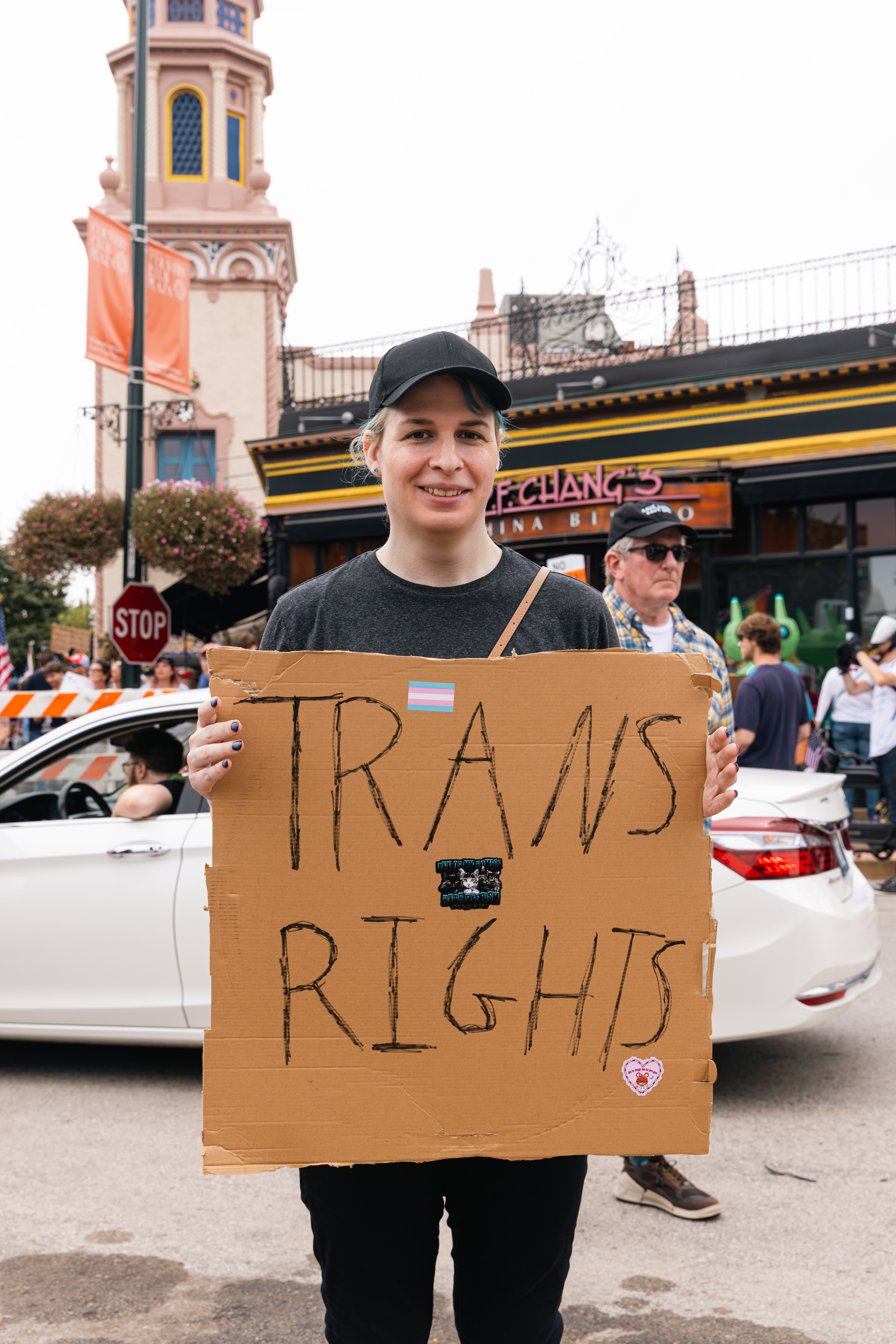
What blind spots do you see in Midwest activism when it comes to intersectionality, and how do you intentionally work to avoid falling into those patterns yourselves?
There are a lot of blind spots, and we need to always do better here. For example, we can’t think of “people of color” as a monolith, though it’s the default for most of us. We’re working heavily on immigrant rights, but what are we doing about the aggressive policing of the Black community or the Queer community? (Not enough.) We also need to make sure we aren’t framing issues in a way that is comfortable for white, educated people but may feel alienating to others. This is a definite issue we will continue focusing on.
What does a win look like for Boots On The Ground? This can be big or small!
A win is waking the community up, one voter at a time. We can be very comfortable in our bubbles. Our goal is to get people out of those bubbles and to realize what’s happening. When we have someone approach us at an event and tell us this was the first time they were participating. That’s a little win. Getting people engaged? That’s a win. We can tell you with 100% certainty that people feel much more positive when they get up and start participating instead of doomscrolling on their couch. When we have a lot more of that, we’ll have a big win for everyone!
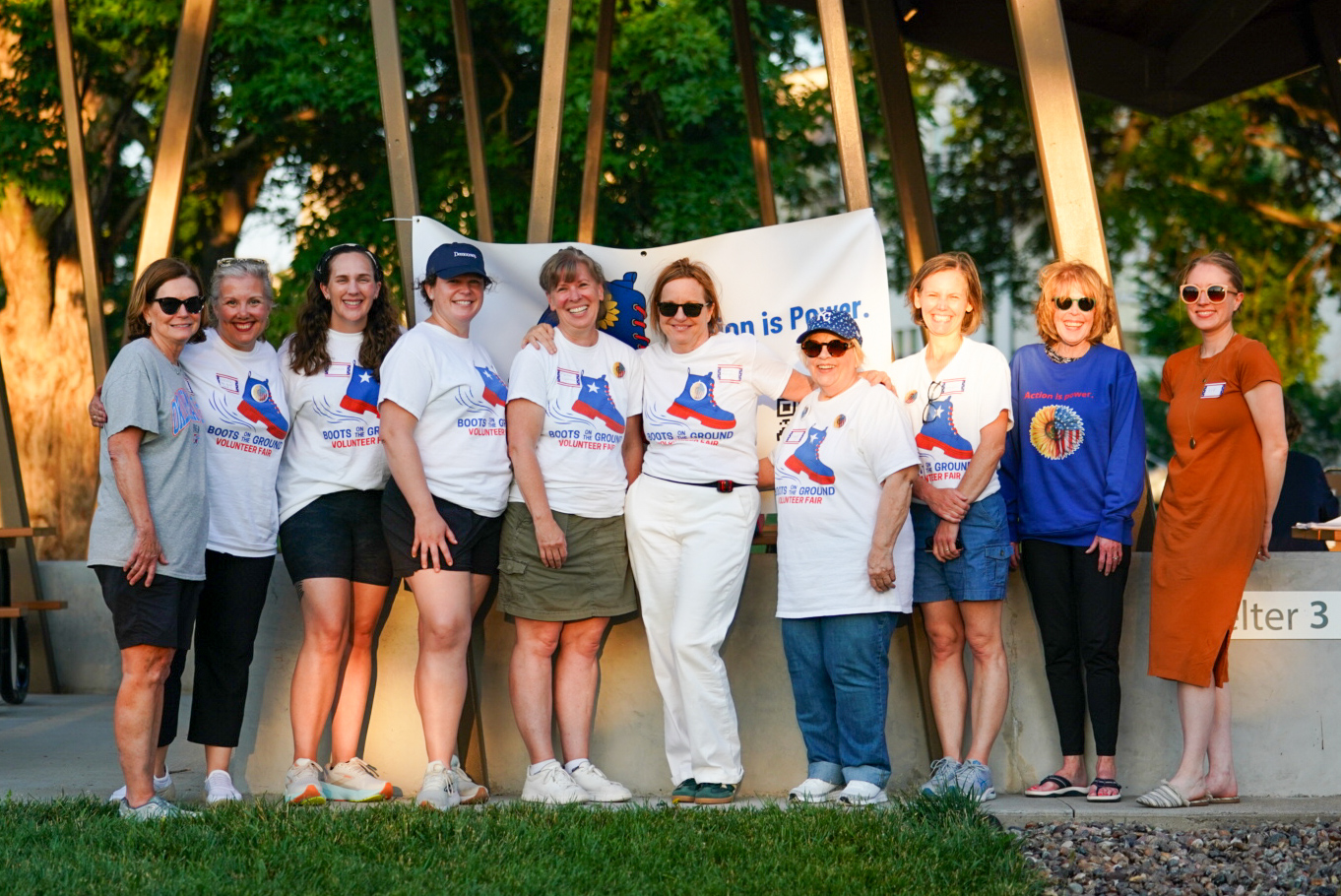
Do you have any advice on protecting your energy while staying involved in the current barrage of political news stories? Activism is draining, and I know many are feeling overwhelmed by the balance and where to put their energy.
Balance isn’t our strong suit, but we’re aware of that. We will tell each other when we need to take time off. For reasons neither of us remembers, we call it “taking broccoli time.” Broccoli is really good for you, but sometimes it doesn’t sound like a good idea. And we just say to each other—take broccoli, or I’m taking broccoli. We come back so much better—that we’re learning. Also, we believe that getting dirty and doing something is so much more energizing than feeling helpless on the sidelines.
What’s next for Boots On The Ground? Tell us about some of the events you have planned for the community.
Midterms beware. We are coming for you. We have lots planned around getting more people to vote and participate in the process, regardless of traditional party affiliations. We will be holding candidates and parties accountable. Every Midwesterner deserves real representation, and that will be our focus for 2026.
Immigration and the protection of immigrants in our community have been a huge focus for us. We will continue to. We also want to make sure everyone is educated about immigrant rights. In Chicago, the “border czar” said they were having a tough time because people knew their rights too well. That will be us.
To get more involved, you can visit the Boots on the Ground website to find all their local events and workshops around the Kansas City metro area.

Whitney Young (she/her) is a photographer, graphic designer, and conceptual artist who currently resides in Kansas City, MO. She is passionate about the environment, local communities, and intersectional feminism, and those values often show up in her personal work. She received her BFA in Design with an emphasis in Photo Media from the University of Kansas. When she isn’t working her day job in marketing she can be found playing video games or bouldering at the local Kansas City climbing gyms.
 Catcall