
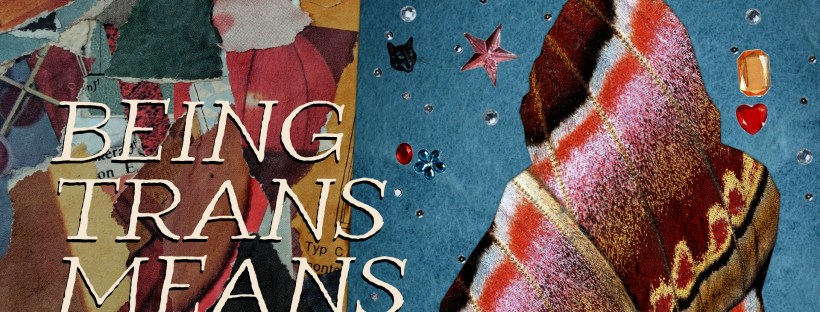
By Shelby Faulkner
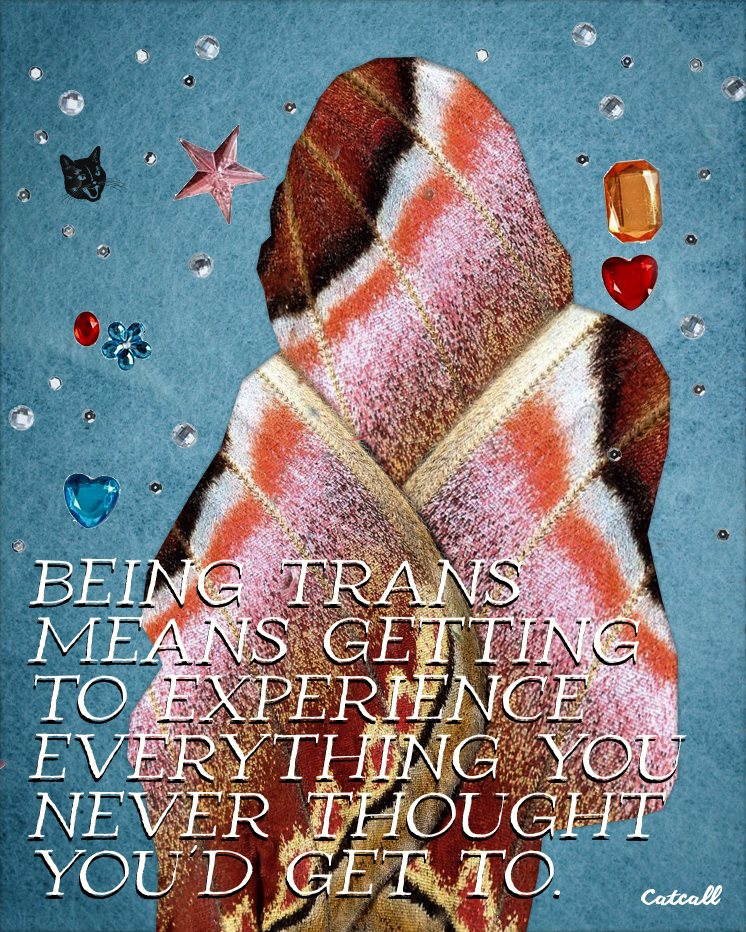
Art by Maddy Best
The definition of the word transgender has changed many times throughout my life. The Merriam-Webster Dictionary defines “transgender” as a person whose gender identity is opposite to the sex identified at birth. But that’s not what it means to be trans—not really. Sometimes it means fear, self-hatred, and so many other unpleasant feelings. Sometimes it means learning that on the other side of anxiety and fear, you often find love and joy.
Although I didn’t have words for it at the time, I first started to realize I was trans around the 6th grade. Growing up in a small town I didn’t have a lot of exposure to queer people. In my town the word “gay” was used as an insult rather than an adjective—and in elementary school, kids used to ask if anyone wanted to play “smear the queer” as a recess game. Occasionally, the word “he-she” would get thrown around too. On Sundays, we would go to church, and sometimes they would preach about how homosexuals would burn in eternal hellfire because they were living in sin. Being trans means learning to hide.
From an early age, I learned it wasn’t okay to be different. Still, I began to feel increasingly distressed at how my body was changing. Puberty is a hard and awkward time for most kids, but when you’re trans, it feels like your body is betraying you—a cage that only gets worse the longer you’re in it. Growing up as a trans kid meant going to bed and praying that I could wake up in a different body. It meant blowing out candles on my birthday and wishing for the same thing every time. It meant crying alone in my room, but not being able to tell my parents why, because I knew how they felt about people like me. Being trans means growing up as someone other than yourself.
By the time I entered high school, I had learned to turn some of my anger and sadness inward. I began to try and “beat it” out of myself and hid most of my stereotypically feminine interests because I was scared of getting outed. I also played sports with reckless abandon and suffered a lot of injuries because of it—broken bones, torn ligaments, and concussions. Thinking on it now, maybe it was my way of “getting back” at my body at the time. While I gained some friends—and a bully—my environment certainly didn’t get any more progressive. Unfortunately, sometimes being trans means learning to hate yourself.
As I got older and gained more liberal access to the internet—and after many Google searches trying to figure out what was “wrong” with me—I finally stumbled across the words transgender and dysphoria. I pored over forum after forum and even read research papers. Eventually, things began to click. There were stories of people going through the same things I had. For the first time, I could see a future for myself where I could be happy. Things rarely go exactly as planned, but I began to strengthen my resolve to get to the future I wanted. Sometimes being trans means resolve. Sometimes it means hope.
For years after that, I struggled to find the means to move away, the goal always being to transition. But after many jobs and one global pandemic, I finally did it. I moved from Tennessee to Texas and started HRT. Not the best move in hindsight, but I was desperate for change. At first, I was ecstatic—all my hard work over the years had finally paid off … but I found myself stuck. I began to isolate myself from everyone, grieving their loss before it even happened. After spending an entire year on hormones, I still couldn’t bring myself to come out to anyone, not even my oldest friends.
I had built years and years of walls from my decades of hiding, never mentioning anything about myself that I thought would out me. Tearing down those walls was agonizing. That, coupled with a plethora of anti-trans legislation and rhetoric while living in one of the most notorious red states, I was paralyzed with fear. I thought about giving up—often. If you catch my drift. But I didn’t. Instead, I worked through the fear and the walls, breaking down brick after brick—hands shaking the entire time. Partly thanks to a hell of a therapist. Sometimes being trans means fear. Sometimes it means growth.
When I finally came out to my family, I did it via letter, fearing the reaction I would get in person. My relationship with them had always felt complicated—partly because I grew up hiding who I was—partly because of how I was treated even when I was “hiding.” Love was conditional. I was loved until there was something to blame me for, and that happened often. On my last visit home, I had hidden the letter on a bookshelf and prepared some supportive trans resources for them, hoping that would somehow make a difference in their reaction. Despite all the abuse over the years, I was still scared to lose them.
Coming out to my family went about as well as expected. First, they took the mentally ill route and said I needed to find a different therapist. Then they called me a coward for not telling them in person—that I was going against God, that I was selfish and didn’t think about how this would affect them, and that they couldn’t accept me. Despite their reaction, I just felt numb. Over the next few months, I got a mix of texts and emails featuring transphobic tweets from a certain billionaire, others parroting transphobic rhetoric, along with some anti-trans videos, generally in response to me posting pictures of myself on social media. Eventually, it ended with me going no contact with all of my relatives. Sometimes being trans means losing your family.
But I also came out to my friends. The first one felt impossible. I was so anxious that I think we spent thirty minutes on the phone before I was finally able to get the words out, silent tears streaming down my face the whole time. I was stunned at their supportive reaction. Then I came out to another friend and another and another. It was a barrage of anxiety, followed by tears and I love yous. Then, before I knew it, I had come out over and over again in different ways and different areas of my life. Each time, I felt a little lighter. I didn’t have to pretend anymore or hide who I was. I got to be myself, and as time went on, conversations with people felt less draining. I no longer had to lie or worry about outing myself. Sometimes being trans means honesty. Sometimes it just means being yourself.
As our current political hellscape began to devolve. Being trans started to mean panic. It meant being bombarded by executive order after executive order threatening my existence. It was seeing hundreds of anti-trans bills introduced faster than ever before, scrambling the whole time to make sure I was prepared. It was survival mode. It felt like I had come so far only to be shoved back into the closet. Before, I always felt like I needed to hide because I was alone, but once I was honest with myself and the people around me, I started to find that was no longer the case.
Because being trans means so much more than fear, panic, or loss:
It means coming out to old friends in a blubbering mess of tears and learning that they still love you for who you are.
It means making amazing new friends who affirm and support you more than you ever thought possible.
It’s realizing that the family you choose is sometimes far more important than the one you were born into.
It’s feeling alone on the holidays, but then getting invited to your friend’s Thanksgiving and learning that not every family is like yours—some see you for exactly who you are.
It’s coming out on social media and then crying for days because you got more support than you could have ever imagined.
It’s going to a Renaissance festival with your friends for the first time, and dressing in a cute costume.
It’s laughing to yourself because your friend was so excited to use your pronouns in public.
It’s picking out clothes you like for the very first time and developing your own sense of style.
It’s shopping with friends and getting makeup advice.
It’s being overwhelmed by a barrage of anti-trans news and crying at work, but then feeling a little safer because all your coworkers have put up trans flags at their desks.
It’s getting invited to your first Galentines and just feeling like one of the girls.
It’s dancing as yourself for the first time in your life.
It’s having a girls’ day at the mall and helping your friend pick out shoes.
It’s talking about the books you like and going to get your nails done for the first time.
It’s making so many new memories that you learn not to hate pictures of yourself anymore.
Being trans means getting to experience everything you never thought you’d get to.
Being trans means hope.
Being trans means joy.
Being trans means feeling loved.
It means finding more courage than you ever thought possible.
It means learning that you never needed to hide.
And sometimes being trans means writing an article so other people know they don’t have to hide either.
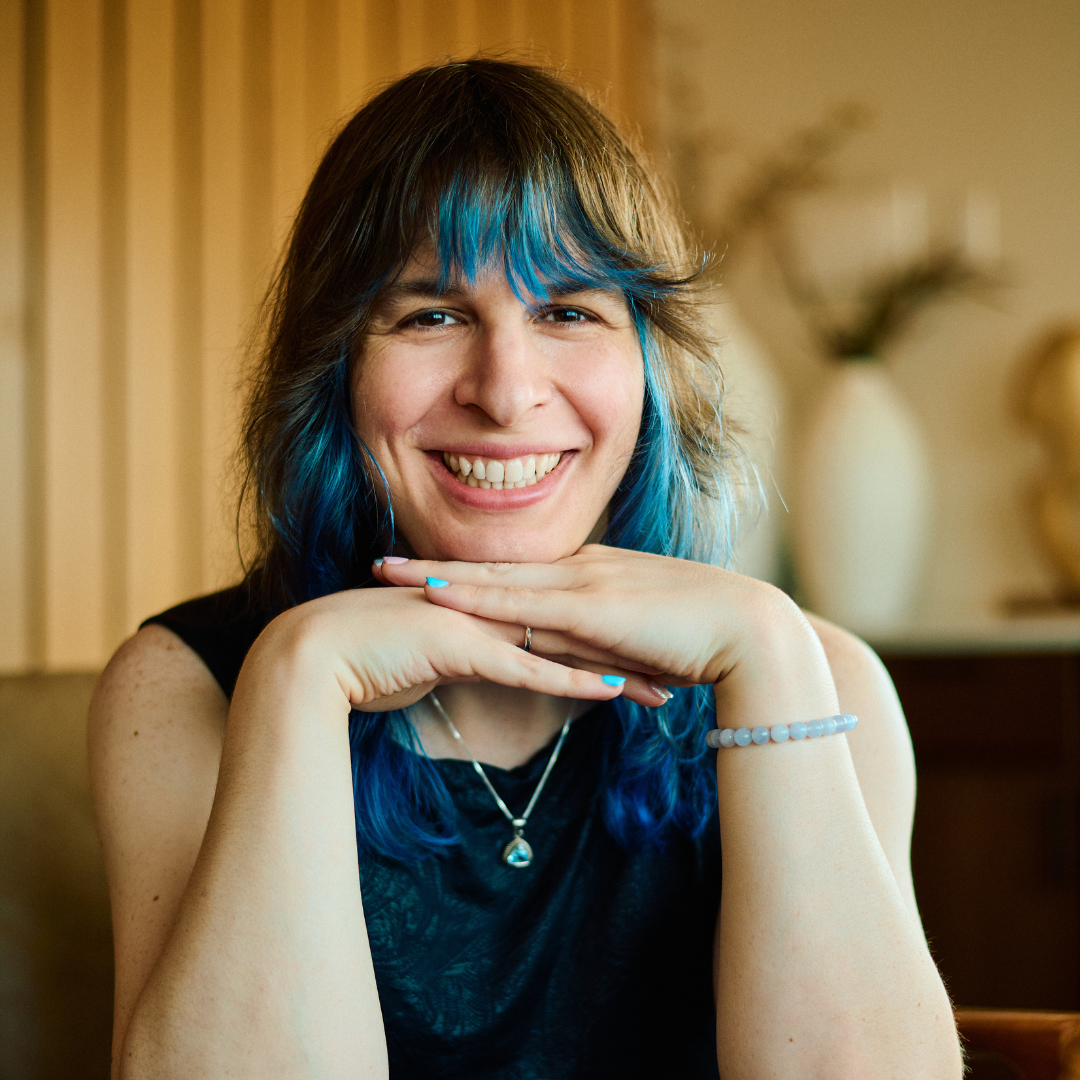
Shelby Faulkner (she/her) is a Kansas City-based writer who is passionate about queer representation and intersectional feminism. She also loves to support local businesses, artists, and her community. In her free time, you can find her hanging at a local coffee shop, getting lost in a video game, curling up with a romantasy book, or chilling with her cat.
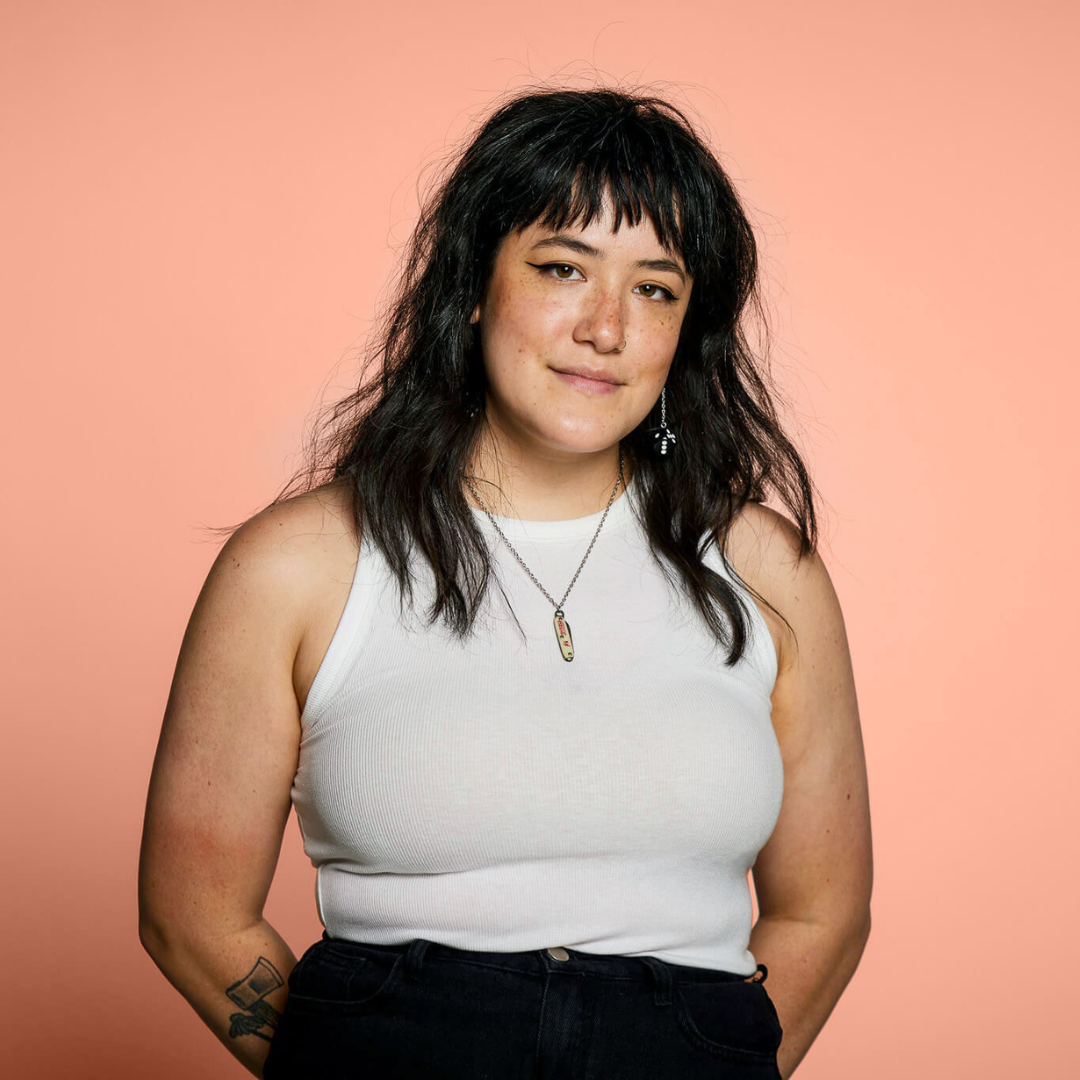
Maddy Best (she/her) is a first-generation Vietnamese American designer. Raised in rural Missouri, she spent five years in KC before making the move to St. Louis. As a freelancer, she uses her multidisciplinary design expertise to help people, brands, and organizations bring experiences to life. Her passion is using design to answer questions and solve problems for all people – regardless of their gender, race, status, or abilities. When she’s not designing websites or brand identities, you can find Maddy cooking, listening to the same emo playlist on repeat, watching bad sci-fi films, and playing video games.
 Catcall