
By Max Sheffield
Photos by Whitney Young
Family is a tricky subject for queer people. Understanding our lineage? Even more so.
Speaking with queer elders about what they have faced and what we can learn has been a moving part of my own journey toward acceptance and understanding of my identity.
But as a white queer person, you cannot start to have these questions without acknowledging the visibility and privileges that white queer people have over queer Black and Brown folks. They have led the way for queer liberation, but their stories can be hard to find. The local media archive, B/qKC (Black/queer Kansas City), provides a space for those stories to get the representation they deserve.
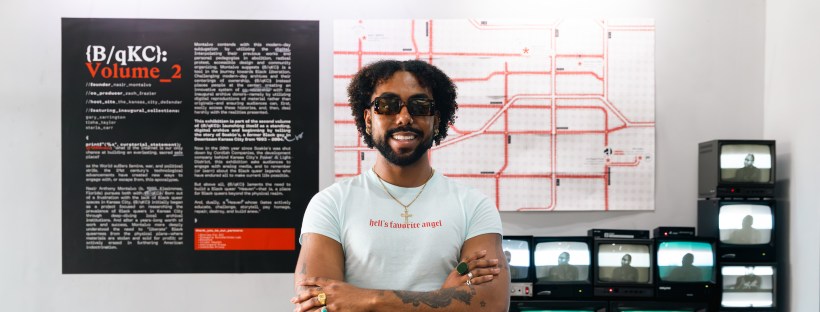
When Nasir Montalvo moved to Kansas City from Florida, they had no intention of building a digital multimedia archive cataloging stories of Black Queer Kansas Citians. But when they started their search for queer community online, they couldn’t find one. Black Queer folks had no digital footprint, which serves as a 21st-century reminder of the erasure of the stories of queer and trans people of color (QTPOC).
“One of the first things I did was simply google ‘Black Queer Kansas City’ (and its many related phrases), here’s what I found: an organization dedicated to fighting HIV/AIDS amongst Black gay men and a Reddit post from 2015 asking, ‘Living in KCMO as a black, lgbt person?’—that’s pretty much it. Not only was that disheartening, it was infuriating when I looked deeper into our State’s statistics,” Nasir writes in an article.

Whose stories get to be told? When Nasir approached the Gay and Lesbian Archives of Mid-America (GLAMA), the material spanning Black Queer Kansas Citians only filled one cart, gathering dust in a backroom. They had no plans to digitize these, and Nasir knew that these stories needed to be freely accessible.
As a writer for the Kansas City Defender, they began writing comprehensive research projects that showcased Black drag queens at The Jewel Box Lounge and the history of the multiracial organization Men of All Colors Together.
Ownership & Giving Institutions the Power to Tell Our Stories
Traditionally, people who donate effects, ephemera, or stories to a museum give up the legal rights to their own stories. They donate not just the material for safekeeping but also all intellectual property. Those effects become property of an institution, without input from the person whose experiences the museum gets to profit from.
Even to access the materials in GLAMA, Nasir had to make appointments, fill out forms to request materials, and gain access. Too many institutional barriers mean that these stories risk fading into obscurity.
While this shouldn’t be radical, it is for predominantly white institutions that for centuries have used colonization to tell the stories of other cultures and profit from them. In some cases, they poach these stories without compensation to make different works, such as a documentary. After talking to the attorneys for the Kansas City Defender, the co-ownership model was created that allowed each member of the B/qKC archive to retain their rights and be compensated for their time with a reparative stipend of $666.67 each for a total of $2,000.
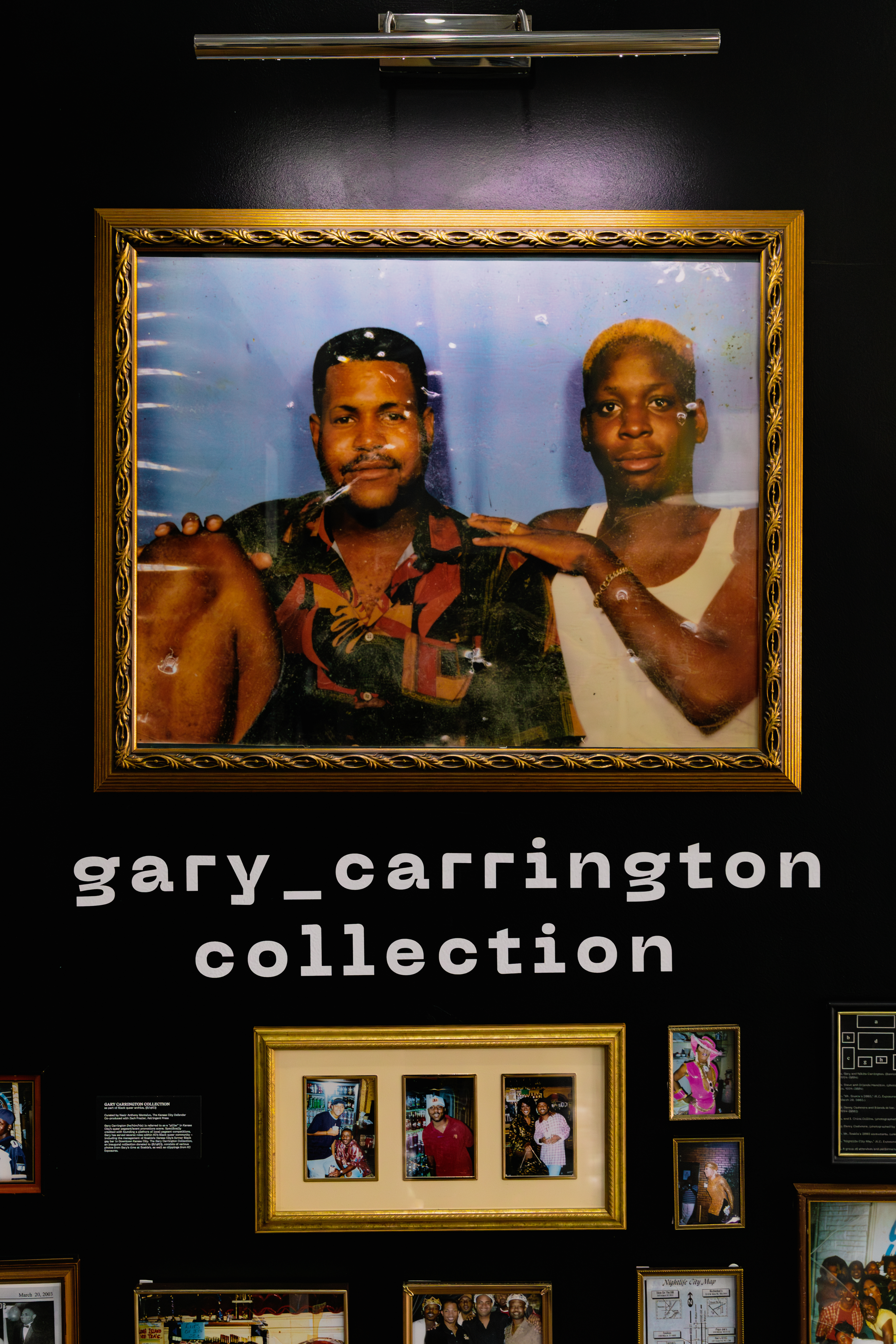
Nasir chose to digitize and compensate the original owners for their time and stories as a radical way to archive and preserve articles, photos, and other materials. Once the limited exhibitions conclude, these materials will be returned to their owners, and they keep the rights to their own stories. After the initial project and as of December 2024, B/qKC is now fiscally sponsored and exclusively owned by its inaugural collection holders, Gary Carrignton, Tisha Taylor, Starla Carr, and Nasir.
Owning Our Legacies
Queer identity and the language we use to describe ourselves is fluid—it evolves. In traditional archives, the participant or donor of materials and experiences cannot change how they want to be represented.
As our experiences evolve, so should our legacy. Nasir recounts one of the elders covered in B/qKC, Ray, was listed under an incorrect name in her obituary. This is a common practice that still survives today—those who weren’t supportive of queer people get to decide how we are remembered after our death.

In conventional archives, names and pronouns are not updated to maintain historical accuracy and “integrity.” But if we can’t own our legacies and the stories that are told about us, what do we own? At first glance, the co-ownership model can appear limiting. But for the queer community, it’s freeing to not have the stipulation to keep all materials intact and to allow our understanding to develop. Nasir’s model ensures the people get to be part of accurately telling their stories, not institutions that profit off those stories.
Community-based Archives as a Liberatory Tool
B/qKC is primarily a digital archive and zine issues, but the need to showcase these materials in a physical space where queer people belong and recognize their history is strong. “We cannot properly organize if we don’t know the history of the places and spaces that we’re in. By knowing what is Black queer prevalence of Kansas City, we can better build collective power, but we can’t do that if we don’t know our history.”
Through Nasir’s research at GLAMA, they came across an ad from a 1993 issue of KC Exposures for Soakie’s, Kansas City’s only Black gay bar. Soakie’s was the breakthrough that propelled the B/qKC project for Nasir. The bar was a safe haven for the Black LGBTQ+ community from 1993 to 2004, but it was forceably closed by the $850 million gentrification government-sponsored project that became today’s Power & Light District.
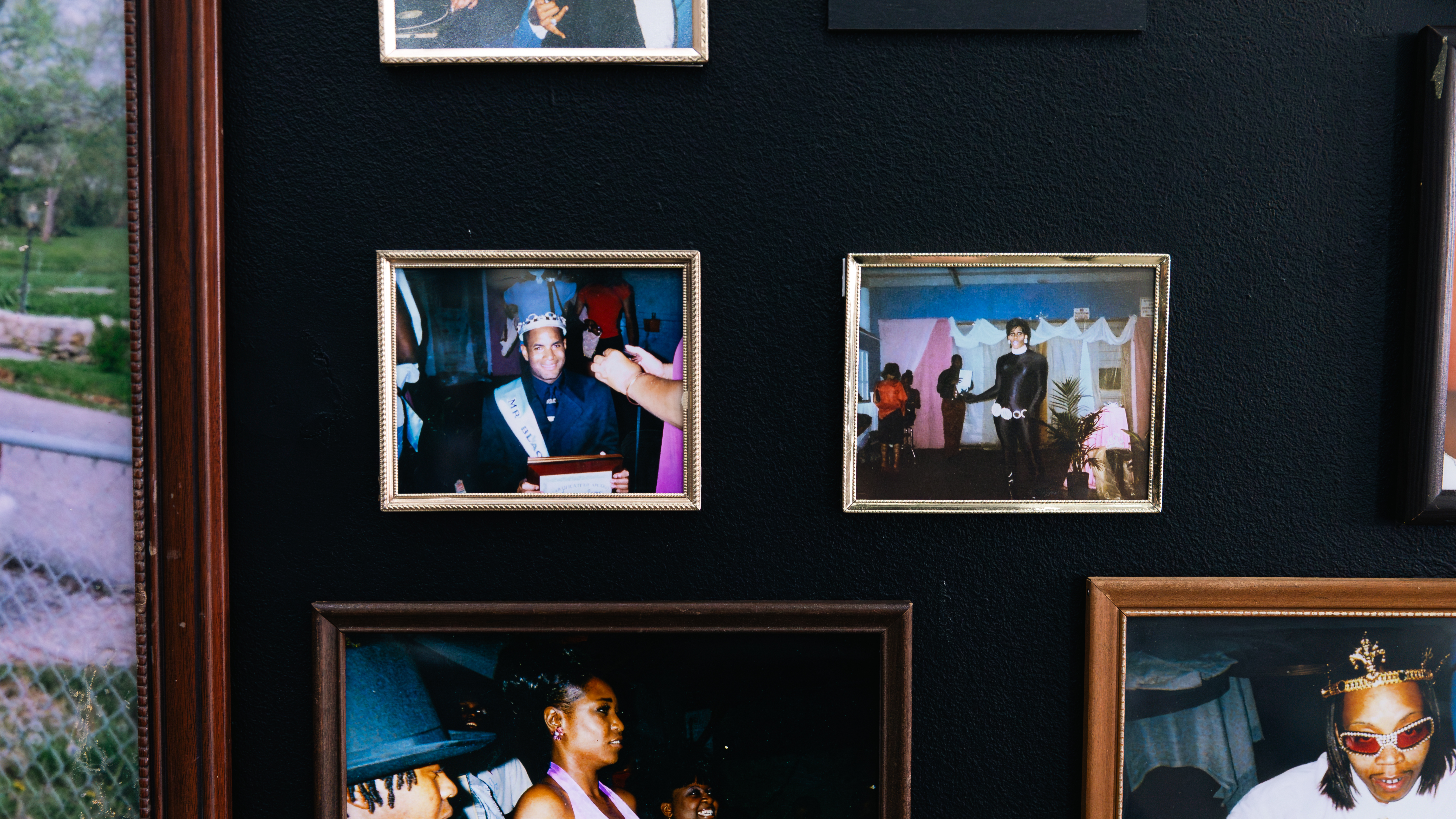

“I think that if people are displaced or don’t have spaces, they can’t congregate on more revolutionary aspects and can’t organize. But also from a place of joy,” Nasir says. “We’re displaced from our people. When we can’t relish in community, it’s really hard to be joyful… I think that these photos from Soakie’s show that through having this space, they were able to do so much in terms of pageantry, but also community building.”
In 2024, Nasire and B/qKC partnered with Blaqout, a local organization dedicated to creating this space for Black LGBTQ+ folks to display an interative installation exploring how the memory of Soakie’s can build Black queer community. The exhibit then moved to coffee shops and community spaces around the Kansas City metro, and it made a memorable impact.
Inspired by the legacy of Soakie’s, Kansas City Art Institute students who are part of The Black Student Union and The Pride Art Coalition Project, have also partnered with Nasir and B/qKC to launch SOAKIE’S WAS HOME hosted by The Waiting Room. On display through June 20, the interactive exhibit features historic photos, ephemera from Soakie’s, video histories, and immersive analog media projections.
The exhibition demonstrates the need for more explicitly Black and queer spaces in Kansas City and nationally. People of different identities and ages came to find belonging, community, and representation at Soakie’s. In a community that prizes found family and creating our own stories, I look forward to seeing where and how we can carry forward what our elders have to share and teach us.
Visit the SOAKIE’S WAS HOME exhibition through June 20 at The Waiting Room, located in the basement of 1106 Santa Fe St., KCMO
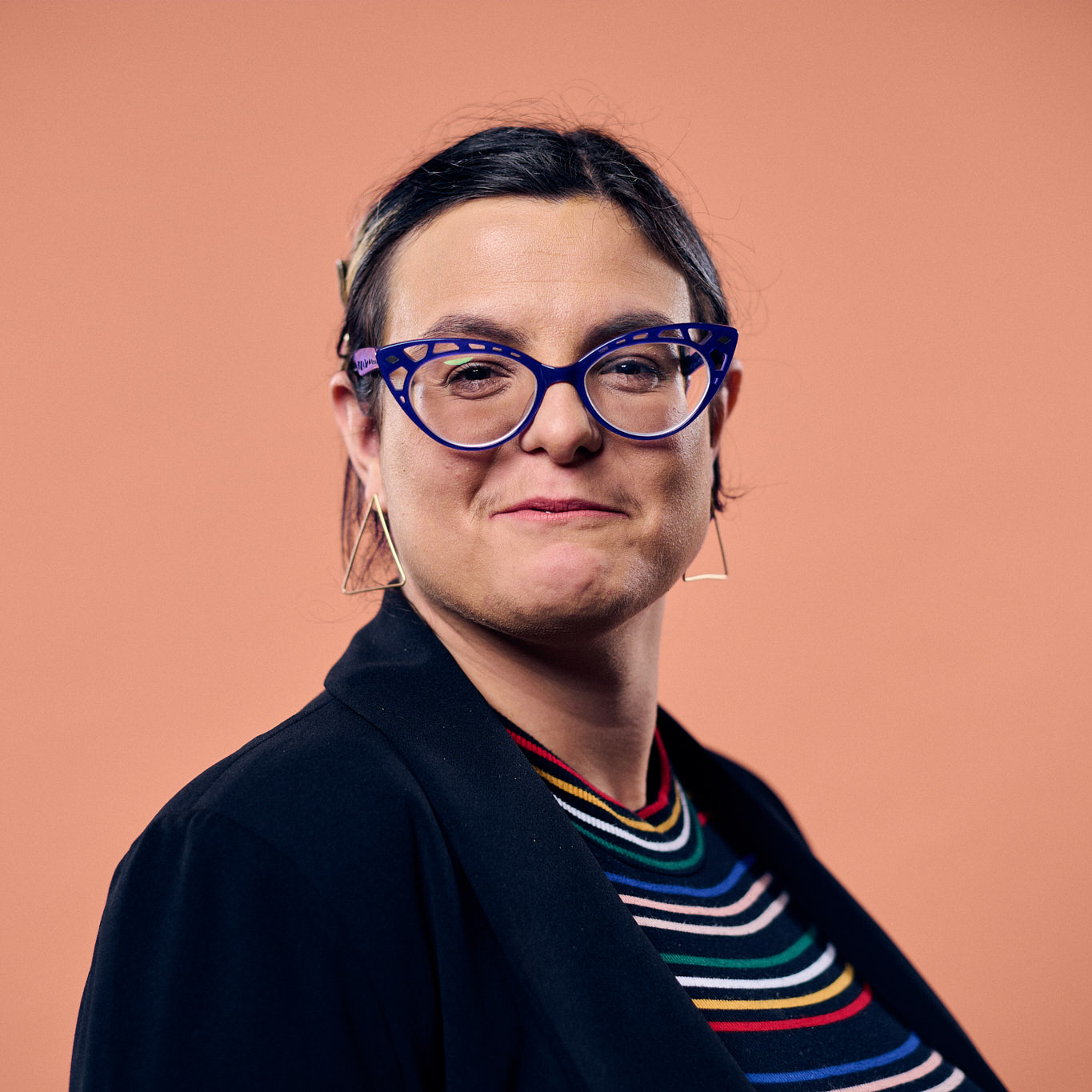
Max Sheffield (they/he) is a non-binary, neurodivergent, wildly passionate, trauma survivor. They live in Overland Park with their 4-year-old son. They write, speak, teach, and consume content voraciously. Max has collaborated with various community organizations, including InnovateHER KC, Metro Organization for Racial and Economic Equity (MORE2), Newhouse KC, and the Kansas City Beacon. His favorite romance trope is “Enemies to Lovers” and he’s tapping into their inner teenager and relearning to roller skate.
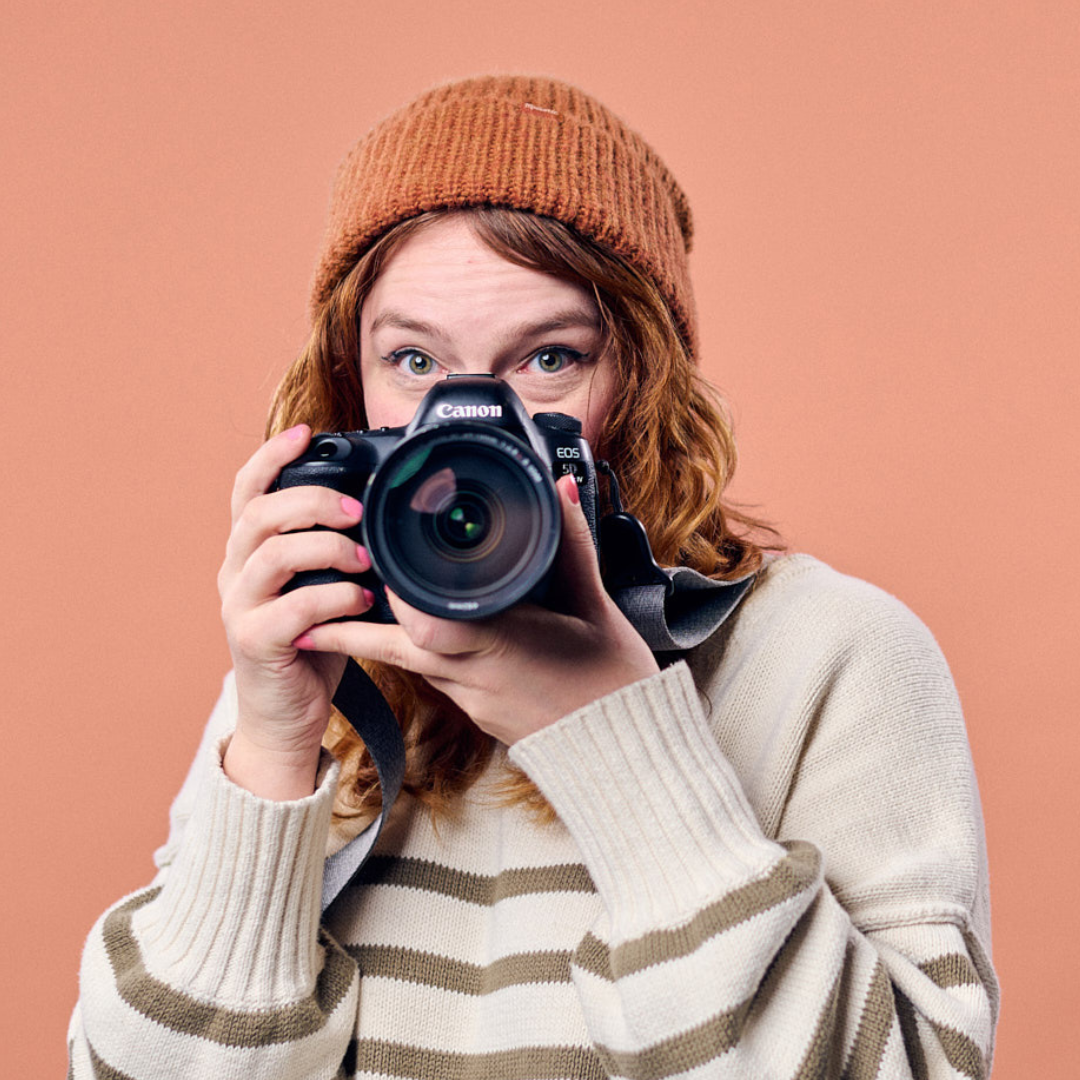
Whitney Young (she/her) is a photographer, graphic designer, and conceptual artist who currently resides in Kansas City, MO. She is passionate about the environment, local communities, and intersectional feminism, and those values often show up in her personal work. She received her BFA in Design with an emphasis in Photo Media from the University of Kansas. When she isn’t working her day job in marketing she can be found playing video games or bouldering at the local Kansas City climbing gyms.
 Catcall