
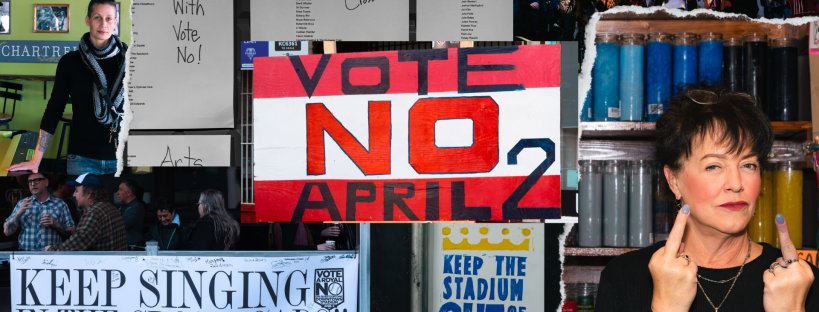
Words and Photos by Whitney Young
Here at Catcall, we are incredibly passionate about preserving the arts and culture in Kansas City. That’s why we urge Jackson County voters to Vote No on Question 1 on Tuesday, April 2, to prevent billionaires from changing the district’s culture forever with a baseball stadium.
Here’s the background on Kansas City and Question 1
The arts are integral to a successful and expanding city. At Catcall, most of our staff resides in Kansas City. We’ve watched as downtown KCMO has expanded from mostly vacant warehouses to the thriving neighborhoods we see today. That success is thanks to the dreamers and artists who led the overhaul—which is especially true for our beloved Kansas City Crossroads Arts District. The outcome of Tuesday’s vote will determine the future of this key Kansas City neighborhood.
These artists saw the value in those vacant warehouses no one wanted to invest in, and research has proven how arts and cultures shape the well-being of cities. A downtown stadium would take advantage of a community built on the backs of starving artists while disrupting the intrinsic value of the community Kansas Citians know and love.
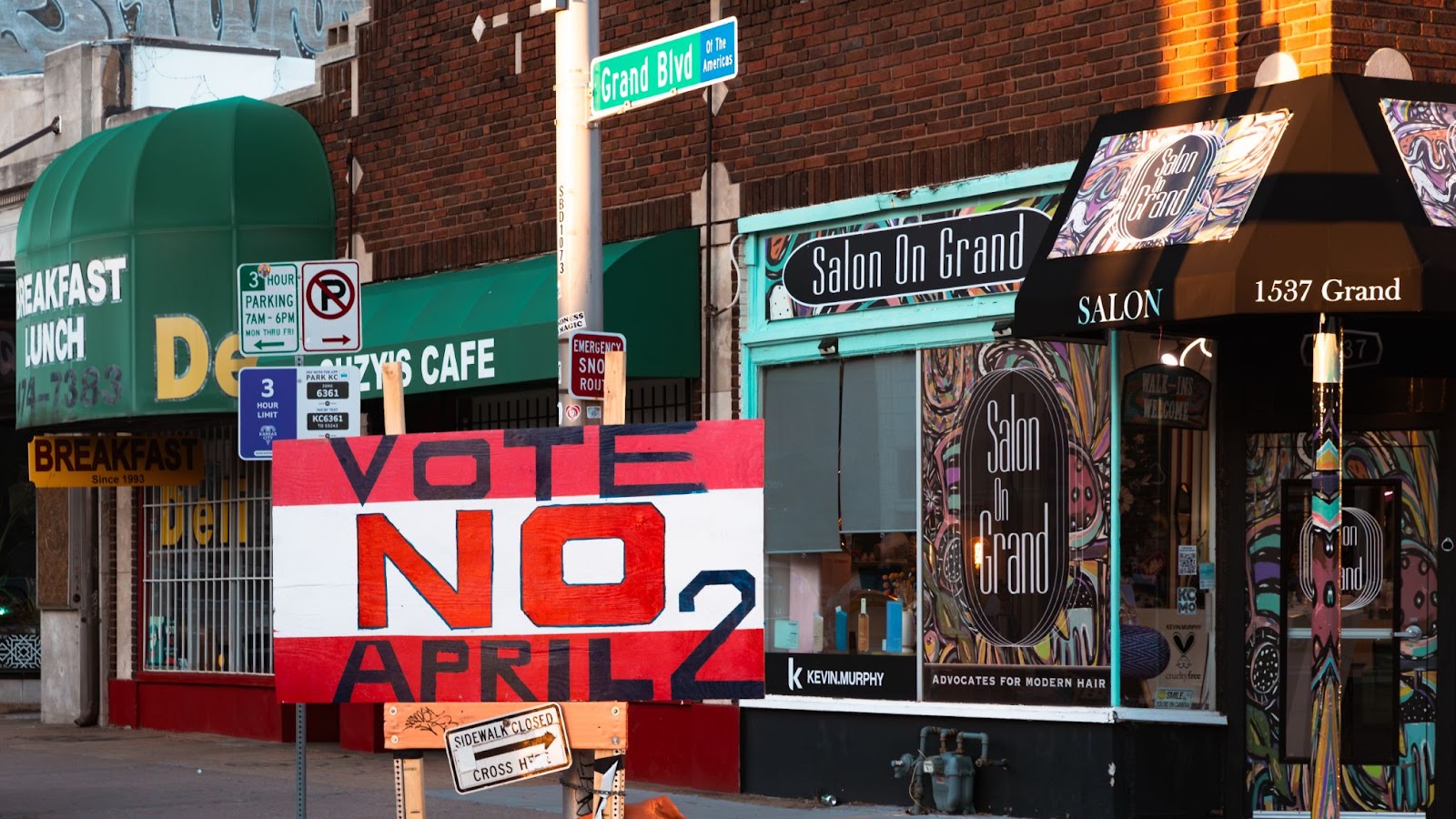
Question 1 will determine if the Kansas City Royals will get to sink their teeth into the district using taxpayer dollars. If Question 1 passes, Jackson County will implement a sales tax that would force taxpayers to pay an estimated $2 billion over four decades to support the construction of a new stadium.
This sales tax would repeal the current tax, which only applies the subsidized funding to the stadiums within the Truman Sports Complex as it stands now. This vote builds on a national trend of billionaire sports team owners creating real estate monopolies to put more wealth in their pockets while they launch fearmongering threats that they will pick up and leave if they can’t get the everyday taxpayer to fund their expensive projects.
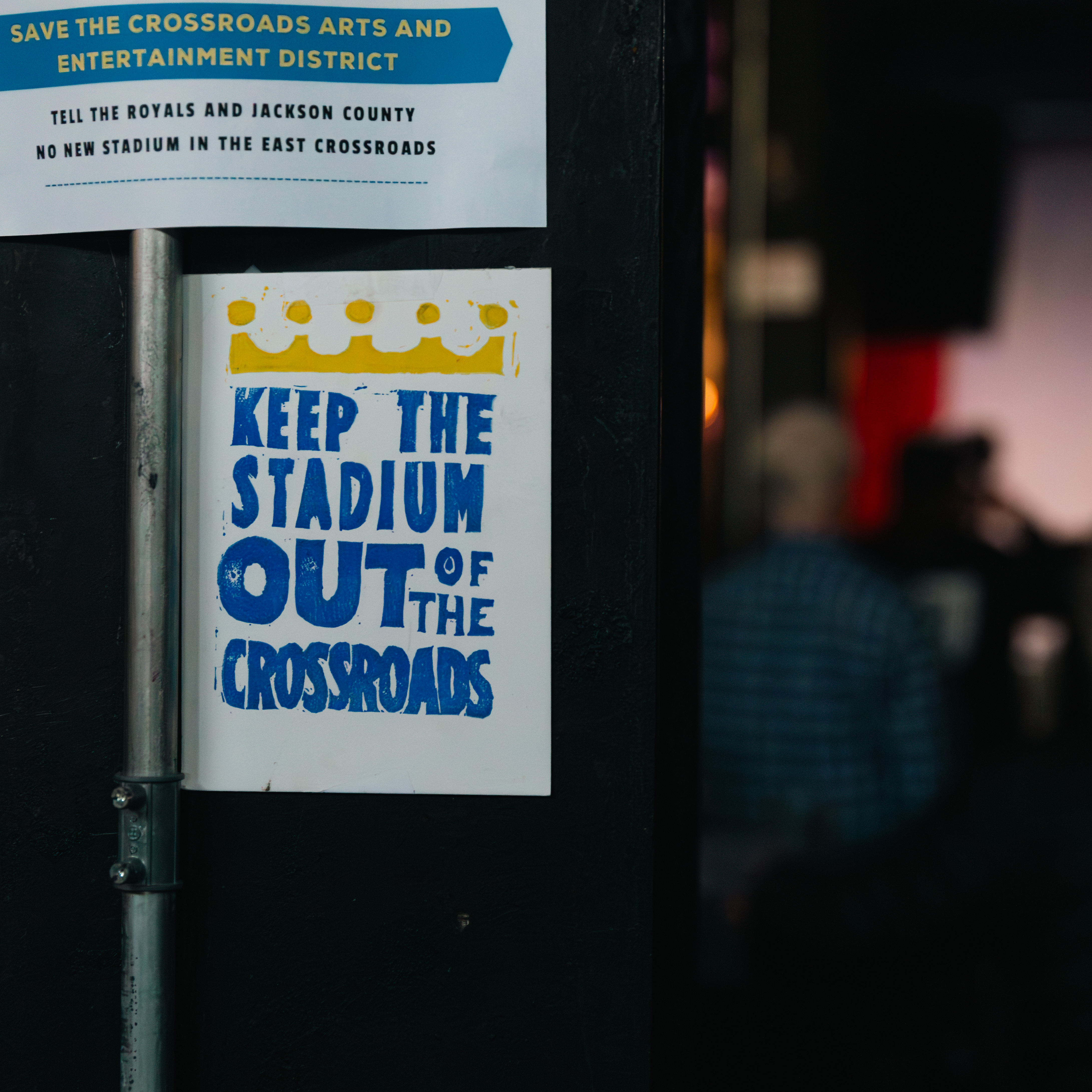
Billionaires shouldn’t be asking taxpayers to pay for a stadium, especially one that would destroy a beloved community. Before you vote on Tuesday, we dug into the data and resources for you to pull out the key points you need to know to make a decision.
Your Voting Guide
The grassroots housing rights organization KC Tenants released a comprehensive guide breaking down the complicated ballot language and offering helpful voting information and an overview of what happens if the sales tax passes. Here are the key points:
Who can vote? When and where can you vote?
All registered voters within Jackson County are eligible to vote in this election. Early voting opened on March 19, and the last day to vote is April 2, election day. You can check your voting eligibility through the Jackson County Election Board website.
Voting Before April 2:
Starting March 19, if you live in KCMO, you can vote early at:
- The Whole Person (3710 Main St, Kansas City, MO 64111) OR
- Kansas City Election Board (4407 Dr. Martin Luther King Jr. Blvd, Kansas City, MO 64130)
- Monday – Friday, 8 AM – 6 PM, Saturday March 30, 8 AM – 12 PM, and Monday April 1, 8 AM – 5 PM
- See kceb.org to check your registration status and get more information on early votin.g
If you live in Jackson County but outside of KCMO, you can vote early at:
- Jackson County Elections Board (110 N Liberty, Independence, MO)
- Monday-Friday, 8:30 AM – 5 PM, and Saturday March 23 and Saturday March 30, 8:30 AM – 12:30 PM
- See jcebmo.org for more information on early voting
Voting on April 2:
- If you live in KCMO, look up your polling location HERE. Polls will be open 6:00 AM – 7:00 PM
- If you live in Jackson County outside of Kansas City, look up your polling location HERE. Polls will be open 6:00 AM – 7:00 PM
What is the ballot language?
Shall the County of Jackson repeal its countywide capital improvements sales tax of three-eighths of one percent (3/8%) authorized by Section 67.700 of the Revised Statutes of Missouri and impose as a parks sales tax of three eighths of one percent (3/8%) authorized by Section 644.032 of the Revised Statutes of Missouri for a period of 40 years, to provide funding for park improvements, consisting of (1) site preparation and clearance, developing, constructing, furnishing, improving, equipping, repairing, maintaining, and operating both Arrowhead Stadium and its surrounds, and a new baseball stadium and its surrounds, to retain the Kansas City Chiefs in Jackson County, Missouri and the Kansas City Royals in Kansas City, Jackson County, Missouri pursuant to long term leases; and (2) refinancing debt obligations previously incurred to finance or refinance improvements to the Harry S Truman Sports Complex?
How much does this tax cost taxpayers?
The proposed stadium sales tax would cost taxpayers $50 million yearly for 40 years. That’s approximately $167 per household per year, all to pay the wealthy’s playground, which is $6,680 per household over the collective 40-year period. That amount might not sound like a lot to everyone, but that’s a meaningful sum for many people, especially as the economy continues challenging sustainable living costs.
NOTE: These are approximations based on current Jackson County households and current sales tax revenue. The team’s owners have failed to provide any reliable estimate of the cost to our community over time under the new tax.
Where would the Royals build the new stadium?
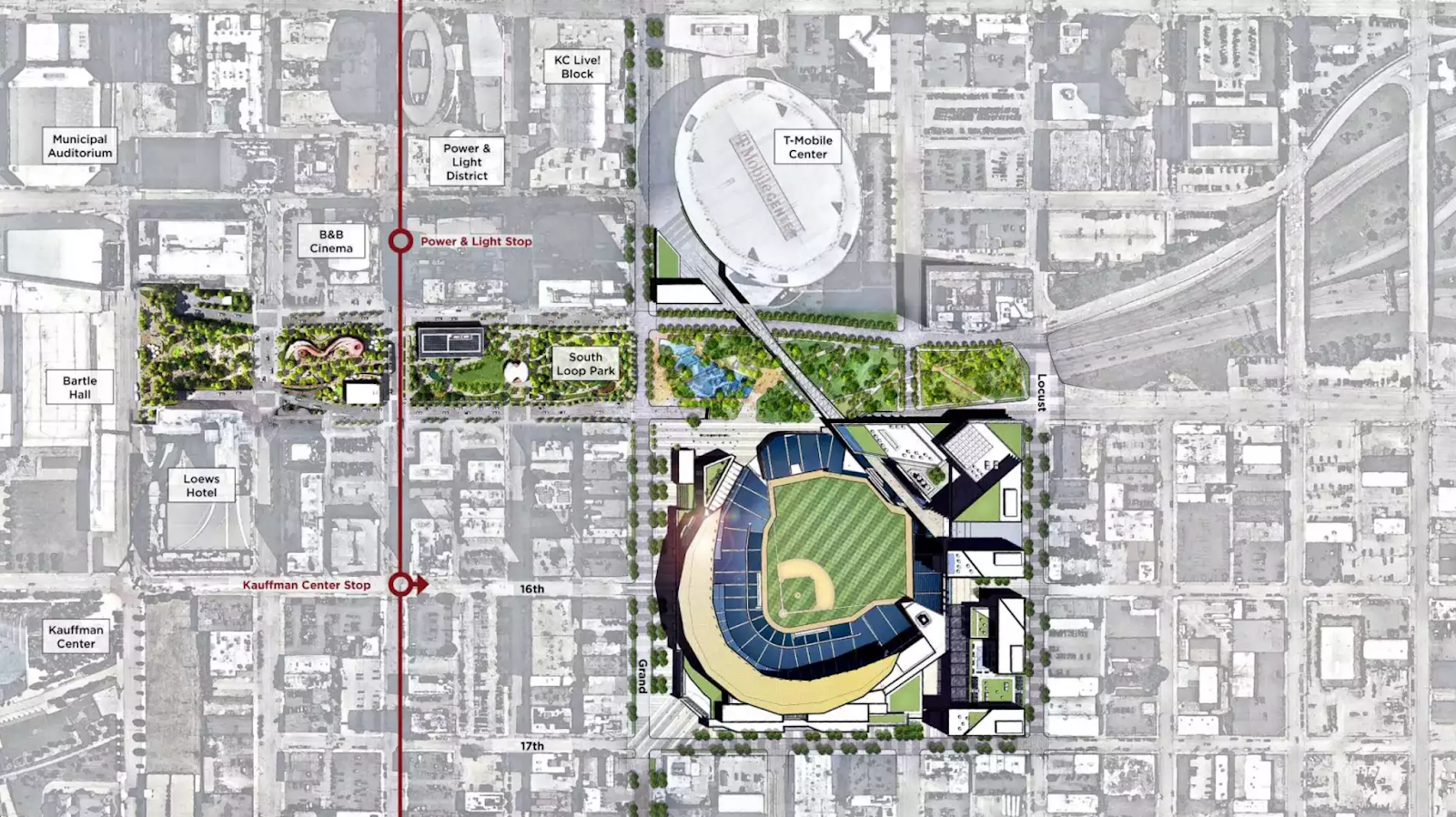
After nearly two years of rumors and missed deadlines, the Royals finally announced their proposed stadium location on February 13 (at the last possible moment, just about a month before early voting): the old Kansas City Star building in the Crossroads Arts District. The proposed stadium footprint would require the Royals to take roughly 40 properties owned by more than 20 groups, which would directly displace more than a dozen small businesses and tenants in apartments and surroundings, plus other businesses in the neighborhood. Business owners were not approached in advance of the location announcement, and though some have been cutting deals with the Royals, many remain infuriated and opposed.
It is worth noting that this proposed stadium site would be just blocks from Power and Light, the financially failing entertainment district nearby, which taxpayers are still funding.
Community members speak out against the sales tax
Julie Valdivia
KC Conjure & Botanica

“I moved my business from Westport to the Crossroads in December of 2015. I was the first tenant in the particular building I am in now. Unfortunately, it is owned by Matt Abbott, who is more than excited to sell his properties.

The growth and popularity of the Crossroads is due to small local businesses, galleries, and performing arts centers. You won’t find Applebees and a QT on every corner. You find owners that are also operators of their businesses so there are more personal connections between those that frequent the area and employees that actually care about customer service and community.
The stadium tax will in no way shape or form help the average citizen of KC and certainly won’t help Crossroads Small Businesses‚no matter how they try to spin it. They bring absolutely no benefit to us.”
Jill Cockson
Chartreuse Saloon & Swordfish Toms
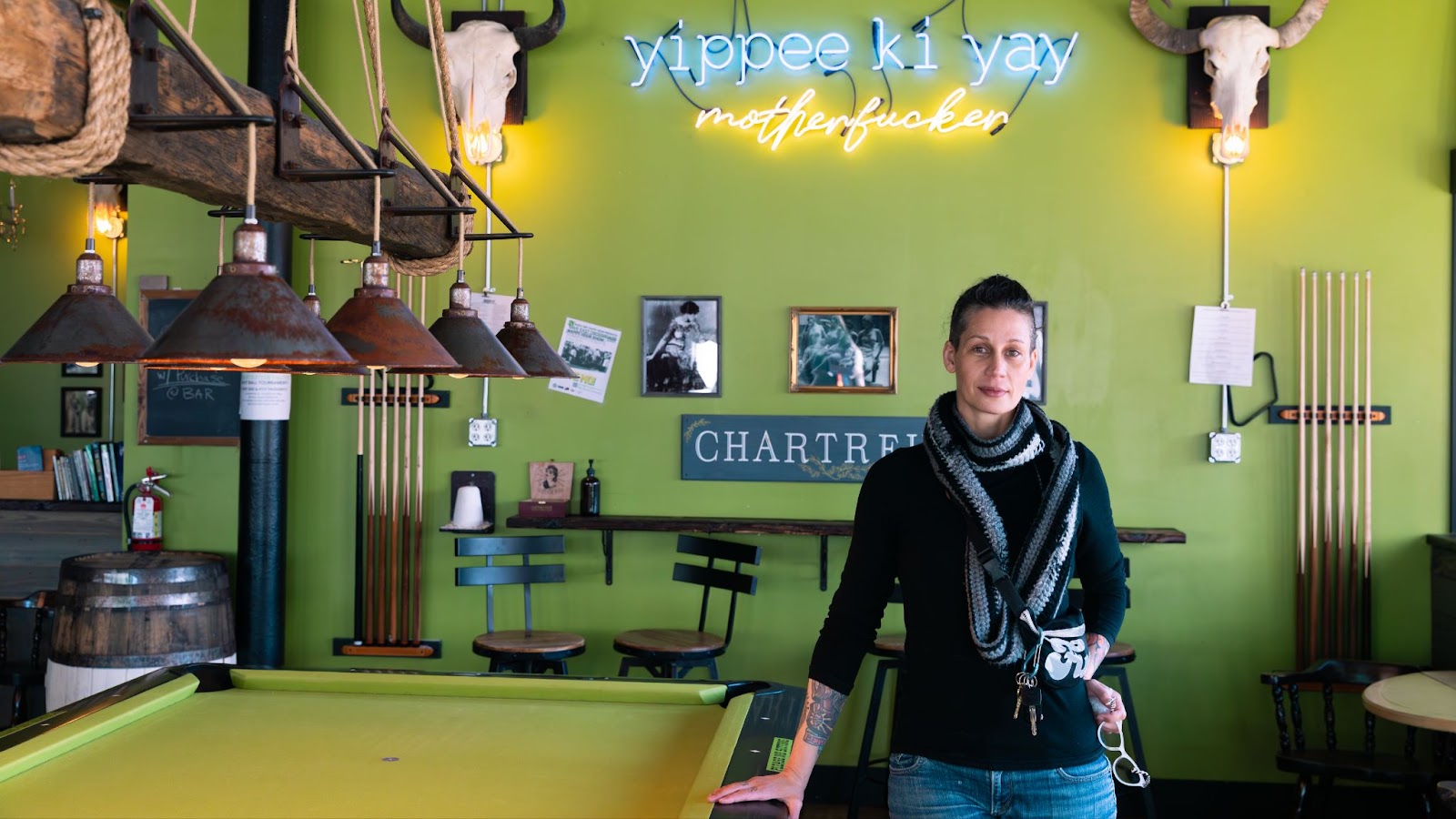
“Chartreuse Saloon has been in the East Crossroads for 2.5 years. Swordfish Tom’s has been in the West Crossroads for 7 years.
The Crossroads has been brought back over the last 30 years by some of the city’s most tenacious and creative people. While many of the studio artists have been priced out, the neighborhood has maintained dedication to ALL of the arts: music, culinary arts, performance art, murals, galleries, etc. The Crossroads was brought back by local entrepreneurs willing to take risks to create an interesting, authentic local business district.
A stadium in the East Crossroads will be absolutely devastating to small businesses. Sure, a few would be able to pivot, but most of them have been calibrated to serve a specific target demographic that seeks out the area as an escape from places like Westport and P&L. This project will essentially expand P&L into the Crossroads. Very few businesses will be able to afford increased rents, and few would be likely to survive the disruption from years of construction, and a complete lack of adequate traffic and parking infrastructure.
The idea of a third place is something that hospitality professionals take seriously. I would be shocked if anyone from Cordish even understood the concept of a third space. They develop generic, soulless spaces that rarely connect with people on any authentic, emotional level.”
Recordbar
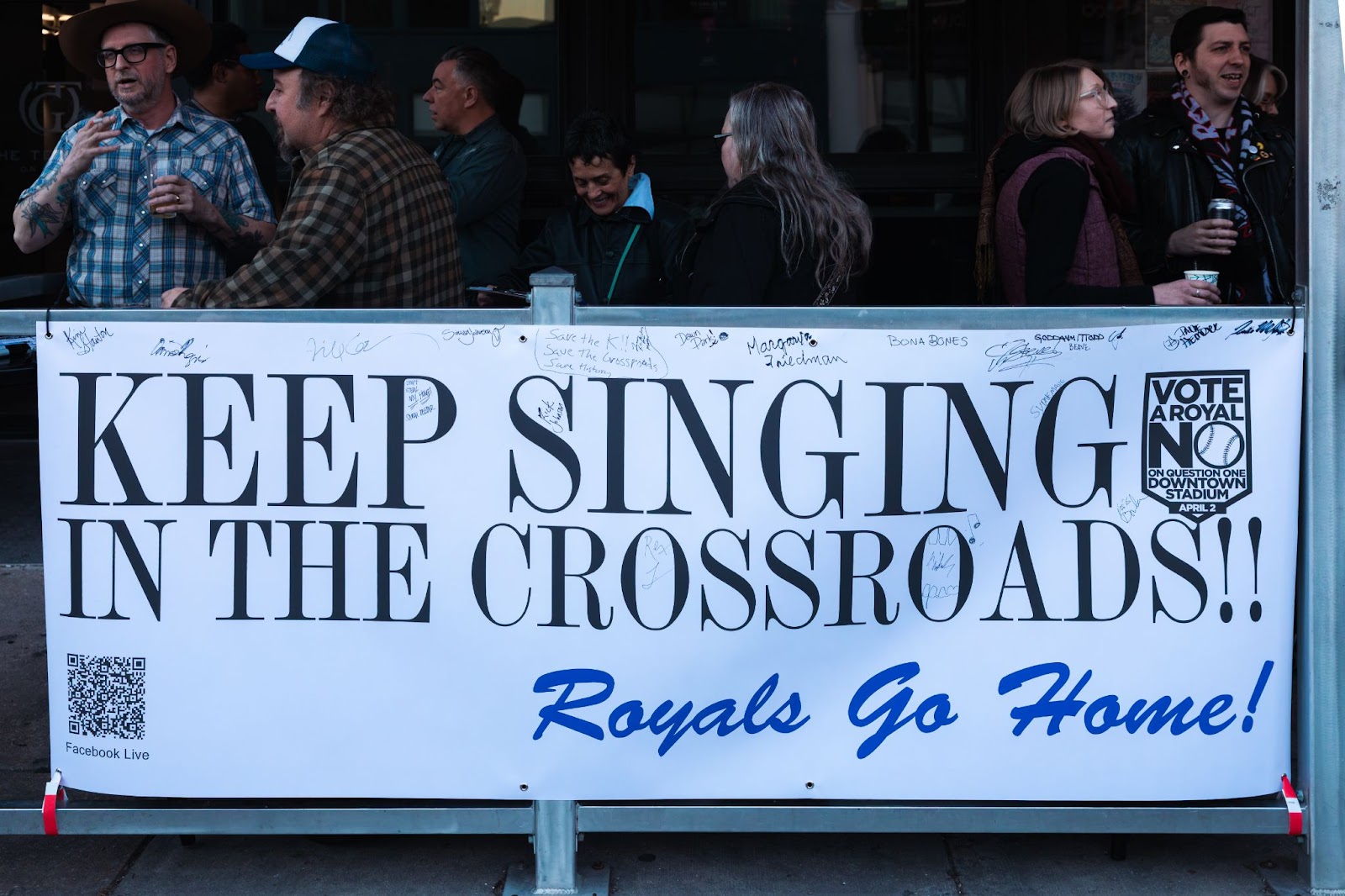
Not only are businesses in the Crossroads speaking out about the proposed stadium and tax, but local music venue and Crossroads occupant RecordBar garnered community interest by hosting the Great Big K(NO)w Show on the evening of Wednesday, March 27.
“The proposed stadium would significantly, and perhaps permanently, impact several of our city’s few remaining live music venues. The Brick, recordBar, and The Truman would be immediately next to the new ballpark, and we would lose unamplified stages to bulldozers at Chartreuse Saloon and The Pairing,” says the Instagram post announcing the event.


The Great Big K(NO)w Show gave voices to leaders in the community, with featured speakers including Chef Celina Tio, owner of The Belfry; Patrick Sprehe, president of Center Cut Records; Rhodes Conover, Liz Davis, and William Fries who filmed “Sherman’s ‘Royal’ Request”; Peregrine Honig, owner of Birdies and host of the 18th Street Fashion Show; comedian Brittany Tilander; actress Vanessa Davis; and artist Hector Cassanova, among others.


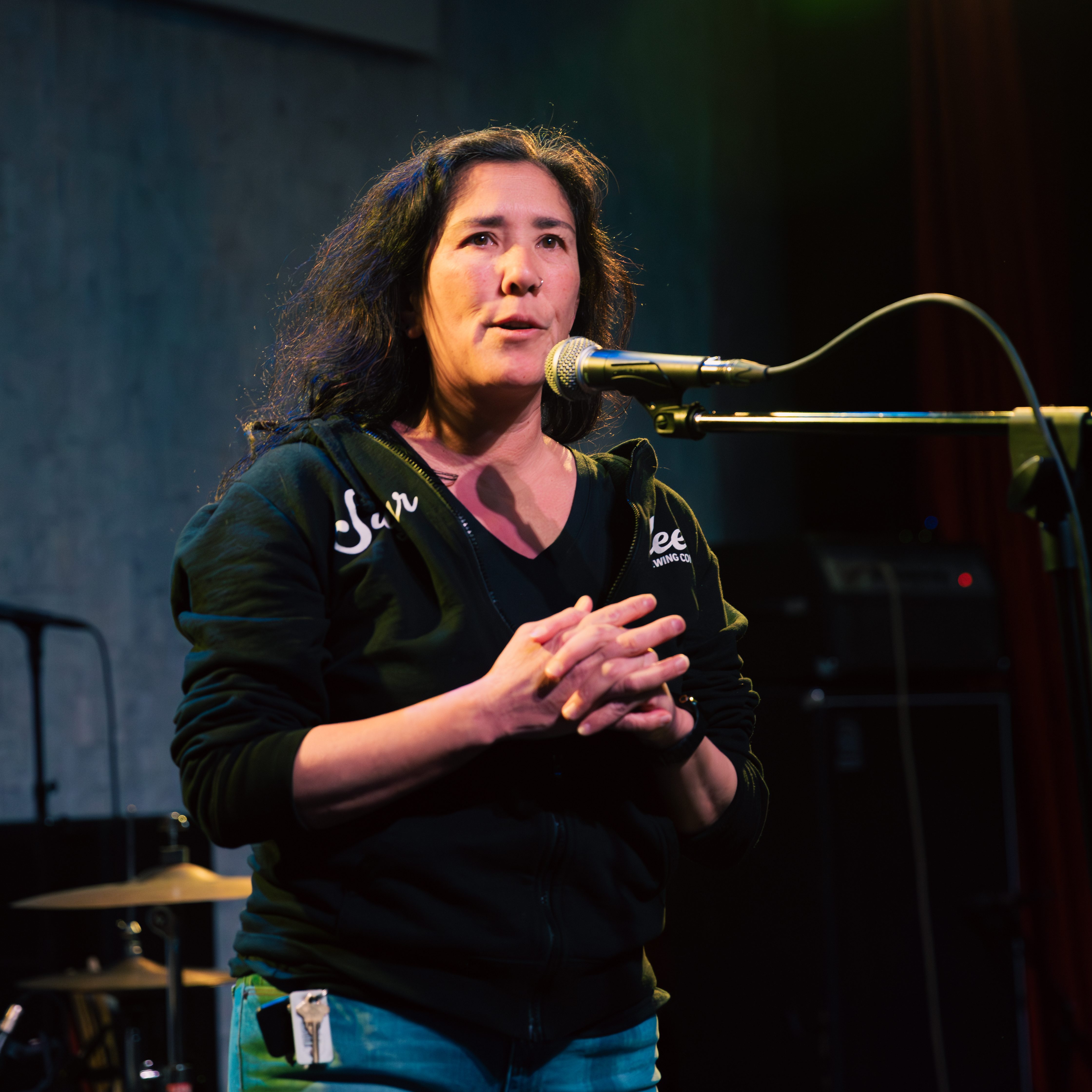
Musical performances included Bob Walkenhorst, Gerald Trimble & Jambaroque, Cody Wyoming Deal, Havilah w/ Rich Hill, Starhaven Rounders, The Musical, Steddy P, The Uncouth, Kadesh Flow, and Freight Train Rabbit Killer. The night included a “living breathing folk song” that allowed everyone involved to get on stage and sing different verses about why the stadium should remain at the Truman Sports Complex. The lyrics included “Hey big money leave my city alone” and a verse of “Progress comes and progress goes / everything changes with the ebb and flow / all we want is to keep our home down in the old crossroads.”
Kansas City should be by and for the community
As we watch Kansas City grow and expand into a city that we can all be proud of, we need to remind ourselves of the slow and steady growth of the Kansas City Crossroads. A place where community was built on a small scale with local businesses, artists, and creators into what some would consider the true heart of Kansas City.
The Royals made a flashy attempt to clear the air this week with a press conference announcing they are redesigning plans to keep traffic on Oak Street open. The team shared a commitment to keeping the street open to car, bike, and pedestrian traffic but made no comments on how these supposed changes would impact the demolition plans for local businesses.
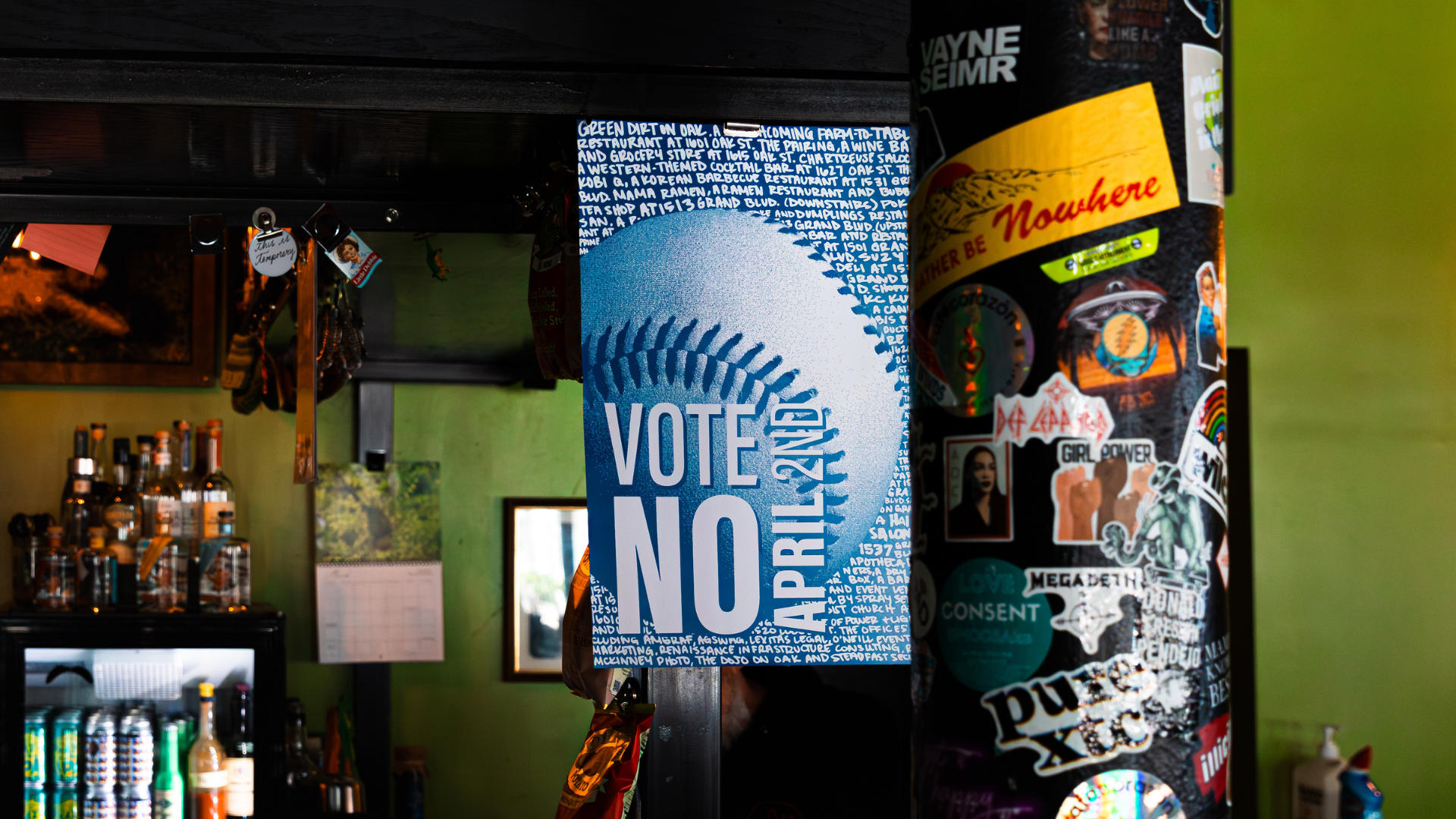
Even if the team releases plans that wouldn’t require the demolition of existing businesses, this announcement makes no impact on how much of the bill would be placed on taxpayers and continues to ignore concerns about how the stadium would fundamentally change the culture of the Crossroads and likely cause property prices to rise, pricing out small businesses and creatives who have long called the district home.
Threatening to take away our sports teams and funneling money into the destruction of small businesses will never put the KC community at ease if the proposal moves forward. We need to listen to what the businesses within the Crossroads are saying and Vote No on April 2.

Whitney Young (she/her) is a photographer, graphic designer, and conceptual artist who currently resides in Kansas City, MO. She is passionate about the environment, local communities, and intersectional feminism, and those values often show up in her personal work. She received her BFA in Design with an emphasis in Photo Media from the University of Kansas. When she isn’t working her day job in marketing she can be found playing video games or bouldering at the local Kansas City climbing gyms.
 Catcall