
By Sophia-Joelle McDowell
Photos by Whitney Young
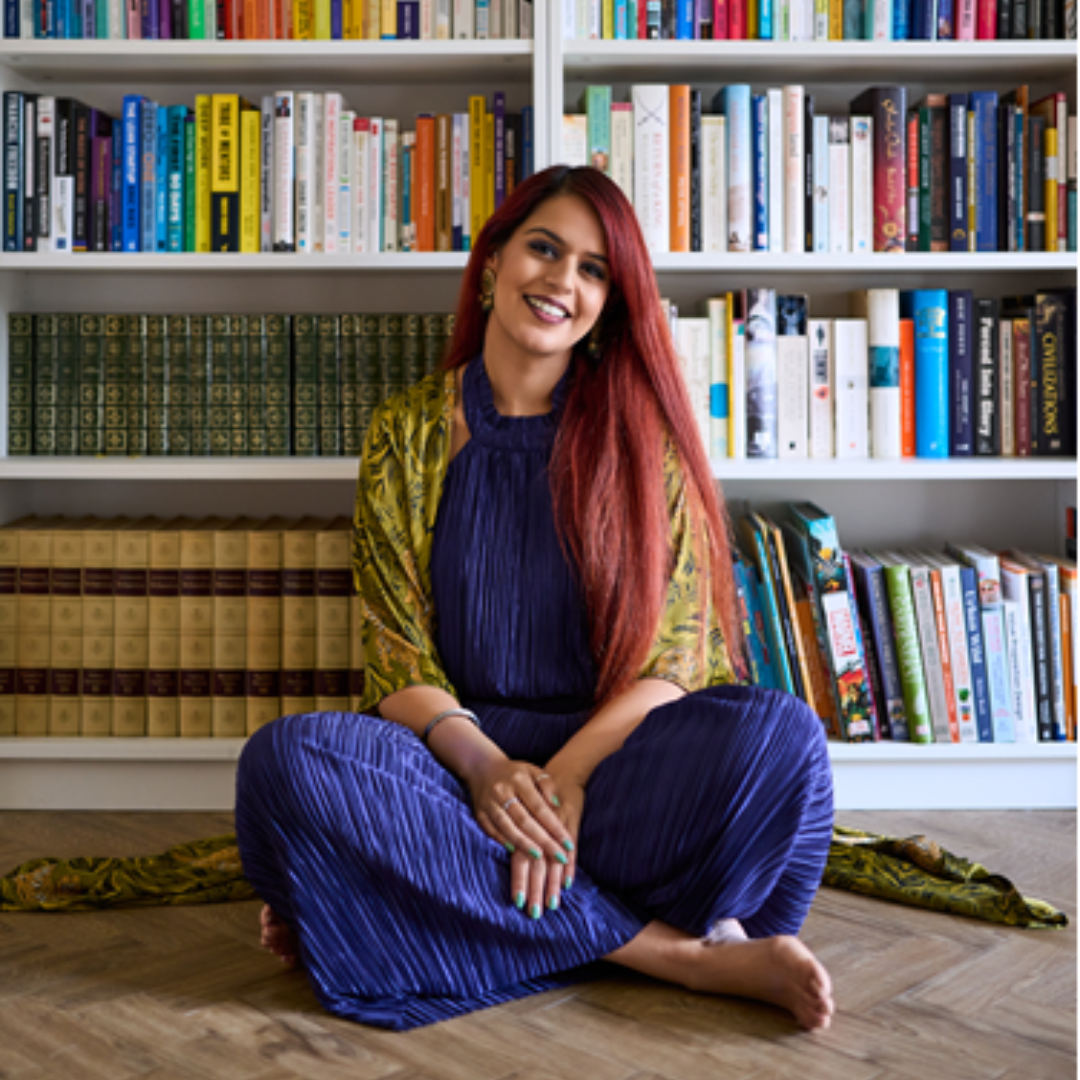
Jaspreet Kaur’s love for poetry began at age 13. Now, at age 42, she uses her own pen and her voice to display her passion for social justice.
This was her therapy. “In 2015, I finally plucked up the courage to share my poetry with the world, and my journey as ‘Behind the Netra’ began,” Kaur explained. “Since then, I’ve been using the power of poetry for social, political, and cultural change, specifically on gender discrimination, mental health stigma, and the postcolonial immigrant experience, performing on stages across the UK.”
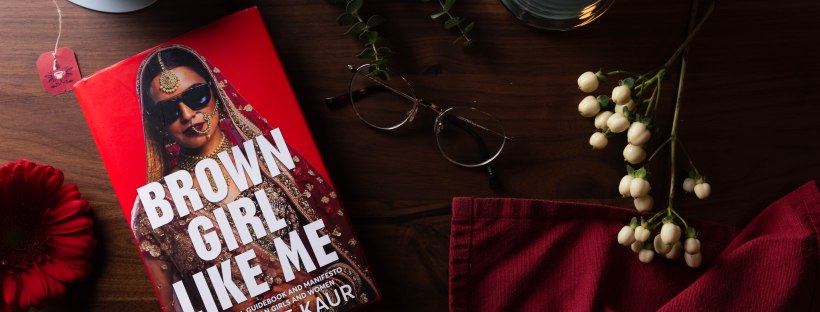
The London-based teacher, writer, and spoken-word poet has always loved reading and it’s not rare to catch her with her nose in a book. In 2020, her dreams came true when she signed a book deal for a project that had been in the works for seven years. That’s where Brown Girl Like Me comes in, an essential guidebook for South Asian women and girls.
Jaspreet Kaur spoke with us about her past experiences and the powerful words that came from being brown, female, marginalized, and opinionated.
How did you come up with the concept for Brown Girl Like Me?
I knew that I couldn’t have been alone in the struggles that I faced as a young brown woman in the diaspora. I knew somewhere there had to be another ‘Brown Girl Like Me’ that wanted the support in navigating the complexity and beauty that come with navigating the world as a brown girl. That is why we’ve called the book part toolkit, part call-to-arms, a brown girl manifesto that equips girls and women with the confidence and tools they need to navigate the difficulties of an intersectional identity. It unpacks key issues such as the media, the workplace, the home, education, mental health, culture, confidence, and the body, to help South Asian women understand and tackle the issues that affect them and help them be in the driver’s seat of their own lives.
The book is interwoven with academic research, anecdotal stories, and interviews with brilliant South Asian Women of all walks of life, from politicians to filmmakers, psychologists to school teachers, activists to Olympic athletes, bibis and granddaughters, to show what life is really like for brown women in the diaspora.
You’ve said this is the book you wish existed when you were growing up as a young brown girl. Can you tell us more about that?
When I was younger, I always wished there was a guidebook on how to deal with growing up brown, female, marginalized, and opinionated, but there was no blueprint at the time. I remember growing up feeling like I didn’t see Asian women anywhere; our voices and experiences were missing from history books, positions of power, boardrooms, and TV screens. When I did see Asian women, they would also be conveyed as passive, quiet, and docile, but I knew brown women were so much more than that, and I wanted the rest of the world to see that too. Every day, brown women are resisting, challenging, and thriving. But where were their stories? That’s when the idea for Brown Girl Like Me was born.
What is the key message or messages throughout these pages?
The book is a blueprint for brown women everywhere, with the nucleus being healing. Healing from the hurt, confusion, and loneliness we may have faced in our lives as Asian women, and with that healing comes a sense of confidence and self-empowerment. One of the most beautiful findings from the book is that there is a sisterhood of brown women growing—online and offline—that are there to support one another. Another key message from the book is that you don’t need to come closer to “whiteness” to become a strong, independent feminist and to love who you are. In fact, there is so much within Asian culture and history that can help empower us, and we can lean into that.
Why did you feel that writing a book was the best way to get your message out there?
There’s something about the knowledge, stories, and inspiration being immortalized in a book that felt immensely empowering. A manifesto, a blueprint that can be passed on for years to come. That being said, as a creative and a teacher, I’m always looking for new and exciting ways to share and message and to educate, whether that’s through poetry, music, or film.
While you were writing this book, what was your hope and dream for other women like you to take from it? Have you noticed this impact?
As a toolkit or guidebook to South Asian women and girls, I hope this book equips women with the confidence and tools they need to navigate the difficulties that come with an intersectional identity. This book is essential reading for anyone wanting to build a fuller picture of women’s lives in Britain today. It’s essential reading for South Asian women as well as people with an interest in feminism and cultural issues and will educate, inspire, and spark urgent conversations for change. But this book is not just for Asian women. It’s for brown men too. It’s for other communities who want to become better allies to women of color. It really is a book for society to better understand a significant part of our population. Ultimately, I want this book to foster a space for learning, understanding, and empathy.
Since the release of the hardback and the UK tour, I’ve seen firsthand how the book is helping change people’s lives. It’s given brown women a sense of hope and healing, and the confidence to own their identity with pride. It’s also shown us that we’re not alone, and there is a growing sisterhood out there to support us. I visited towns and cities with a high demographic of South Asian communities, reaching out to local community spaces such as women’s networks, community groups, independent bookshops, schools, and places of worship, as well as 20 universities, delivering lectures, and workshops.
You didn’t grow up in a space where you were really able to talk about subjects like mental health or menstruation. How did this impact you? What did it feel like when you finally let yourself express what you were feeling and have discussions about topics that weren’t on the table before?
Due to the stigma around mental health or menstruation, it meant that when I was struggling, I kept my emotions bottled in. And we know how unhealthy that can be for our mind, body, and overall well-being. Thankfully I found an outlet through poetry and writing. After finding my own sense of healing, I wanted others to find theirs too.
For all generations of South Asian women to live happier and healthier lives, we must tackle these topics head-on—whether that’s within our homes, communities, schools, or workplaces. We need healing from all the past and present traumas that brown women have had to face, and that can only happen if we take time to talk about it and seek the help we might need. That’s why I’ve been so open about my own mental struggles in the book, as well as my menstruation journey and self-confidence issues, so that other brown women know that they’re not alone in what they’re going through, and ultimately, figuring out what we need to do better as a society so that these problems don’t continue on into the next generation.
What can we expect from you in the future?
I’ve recently released my first children’s book The Spaces in Between, an illustrated children’s
mindfulness poetry book, which helps young children and their parents promote positive wellbeing through mindfulness activities. I’ve also started researching for my next non-fiction work–again in the area of intersectional feminism—and will be starting a research fellowship with the University of Edinburgh later in the year.
But most importantly, I’ve started the most important job of all—I’m a new mum! I gave birth to our incredible little daughter, Maahi, in spring and have been soaking in all that motherhood has to bring. I literally have my very own brown girl like me, and if anything, it makes the mission of the book even more urgent. I have no expectations or pressure for who and how I want her to be when she grows up, but hopefully, this book can be a toolkit on how to navigate the journey ahead, with the inspiration, knowledge, love, and power from the brown women, mummas, sisters, and aunties who have gone before.
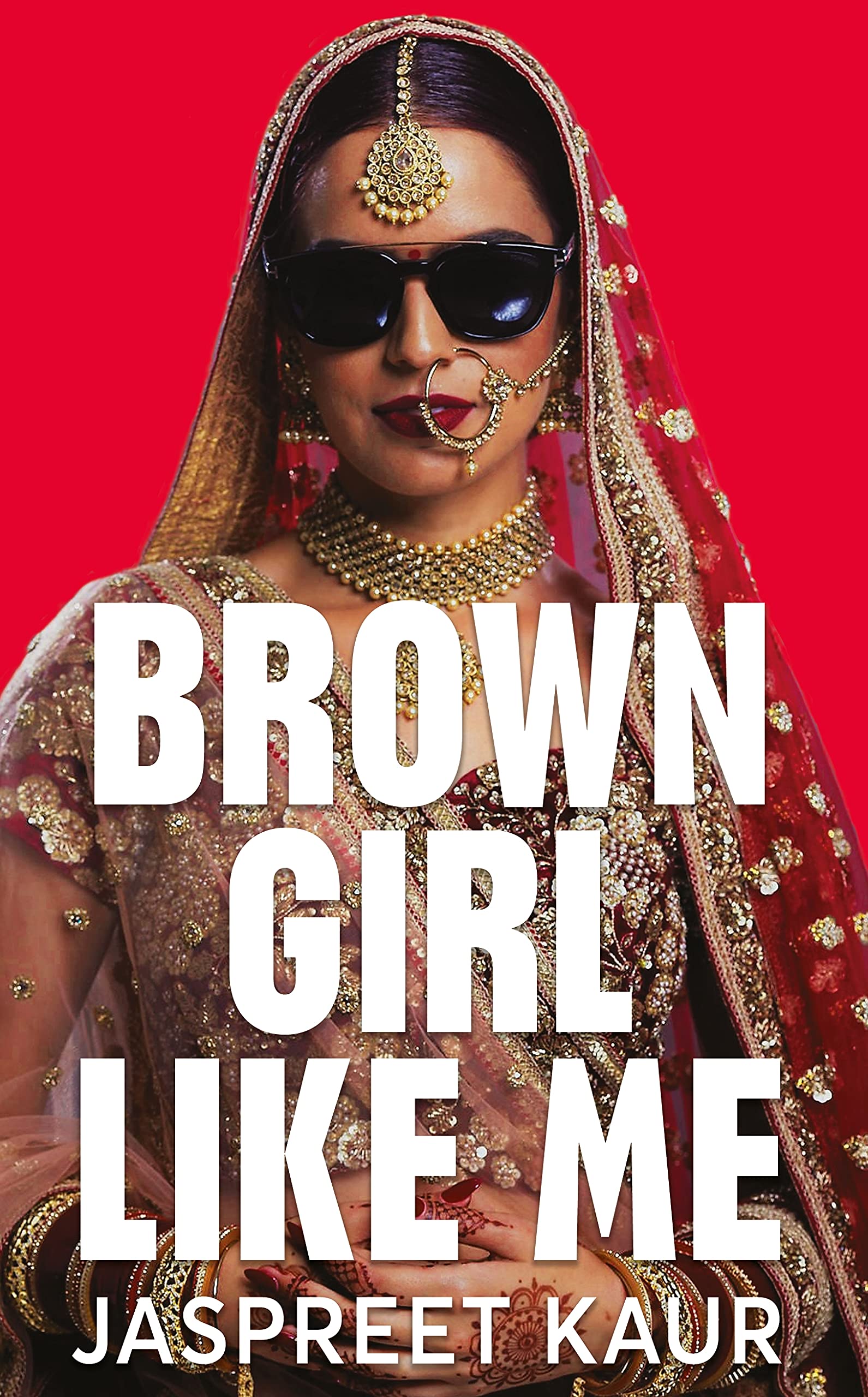
Brown Girl Like Me
By Jaspreet Kaur
You might feel that this fight is too big for you. How on earth can you dismantle so many complex, long-standing systems of oppression? My answer: piece by piece.

Sophie McDowell (she/her) is a writer and creator currently living in Kansas City. She got her degree in mass media with an emphasis in film and video from Washburn University. She also has minors in art, history, and women’s studies. When Sophie isn’t writing or volunteering her time to social justice, she can be found hanging out with her pets.

Whitney Young (she/her) is a photographer, graphic designer, and conceptual artist who currently resides in Kansas City, MO. She is passionate about the environment, local communities, and intersectional feminism, and those values often show up in her personal work. She received her BFA in Design with an emphasis in Photo Media from the University of Kansas. When she isn’t working her day job in marketing she can be found playing video games or bouldering at the local Kansas City climbing gyms.
 Catcall